Decoding the Fiery Youth of Galaxies: A Guide to Early Universe Star Formation
Overview
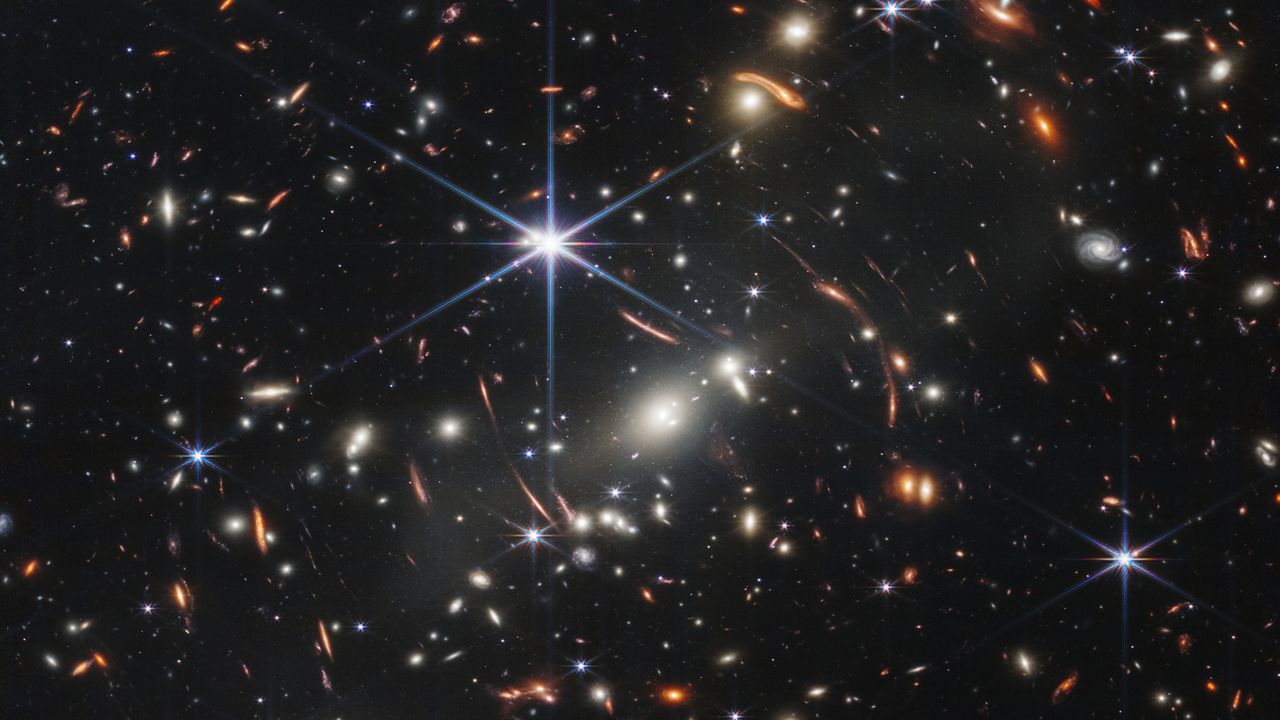
In the early universe, galaxies were nothing like the calm, mature spirals and ellipticals we see today. They were cosmic furnaces, burning through vast reservoirs of gas to churn out stars at rates hundreds of times higher than modern galaxies. Astronomers have long suspected that the key lies in the unique conditions of the infant cosmos—denser gas, frequent mergers, and less feedback from previous generations of stars. But only recently have detailed models begun to piece together why those early galaxies were so active. This tutorial will guide you through the core concepts, physical processes, and the latest modeling insights that explain the furious star formation in the early universe.
Prerequisites
To get the most out of this guide, you should be familiar with:
- Redshift (z): A measure of cosmic time; higher redshift means looking further back in time.
- Star formation rate (SFR): The mass of gas converted into stars per year, typically in solar masses per year (M☉/yr).
- Galaxy merger: When two or more galaxies collide and combine, often triggering bursts of star formation.
- Interstellar medium (ISM): The gas and dust between stars, which provides the raw material for star formation.
- Feedback: Energy and momentum released by stars (supernovae, stellar winds) or active galactic nuclei (AGN) that can heat and expel gas.
- Cosmological simulation: Computer models that simulate the evolution of the universe, including dark matter, gas, and stars.
Step-by-Step Guide: Why Early Galaxies Were So Active
Step 1: The Cosmic Gas Supply
One of the biggest differences between early and modern galaxies is the availability of cold gas. In the early universe (z > 2, roughly 10 billion years ago), the cosmic web was filled with pristine hydrogen and helium gas that hadn't yet been incorporated into stars. This gas could flow directly into galaxies along filaments, providing a near-limitless fuel source. Modern galaxies, in contrast, have largely consumed their gas reservoirs or had them heated by feedback, limiting star formation.
Key insight: The high gas accretion rate in early galaxies meant that even if only a small fraction turned into stars per freefall time, the absolute star formation rate was enormous.
Step 2: Galaxy Mergers and Interactions
Early galaxies were closer together and merged more frequently because the universe was smaller (expansion hadn't stretched space as much). Mergers drive shock waves that compress gas clouds, triggering starbursts—intense episodes of star formation. Furthermore, the merging process can funnel gas toward the galactic center, feeding both the central supermassive black hole and star formation. Simulations show that at z ~ 2, merger rates were 10–20 times higher than today, leading to many more active galaxies.
Example: The famous Antennae Galaxies are a local merger; imagine that happening far more often and with richer gas supplies.
Step 3: Limited Feedback and Metal Enrichment
In later epochs, star formation self-regulates through feedback—supernovae and massive stars blow away gas, heating it and preventing further collapse. However, early galaxies had lower metallicity (only hydrogen and helium, with trace amounts of heavier elements). Low-metallicity gas is less efficient at cooling, which might at first suggest less star formation. But counterintuitively, early galaxies could actually maintain higher star formation because they lacked the dust that normally catalyzes cooling and fragmentation? Actually, the reality is more nuanced: low metallicity leads to less efficient cooling, but the high gas densities overcome this. More importantly, early galaxies had less dust, which in modern galaxies absorbs UV radiation and heats gas. With less dust, UV light could escape, and feedback was less effective at quenching star formation. Moreover, the first stars (Population III) were massive and short-lived, but they quickly enriched the ISM, allowing later stars to form more efficiently. The net effect: early galaxies experienced a balance where feedback was too weak to shut down the star-forming frenzy until later cosmic times.
Reference: This topic is linked to prerequisites on feedback.
Step 4: The Role of Dark Matter Halos
Galaxies form inside dark matter halos—vast, invisible clumps of dark matter whose gravity pulls in gas. In the early universe, these halos were more massive relative to their galaxy because the dark matter density was higher. The deeper gravitational potential well meant that gas could fall in faster and be compressed more powerfully. Additionally, early halos were often less concentrated, allowing gas to stream in from large distances without being shock-heated to high temperatures (which would suppress star formation). This combination—large, diffuse halos with rapid gas inflow—created ideal conditions for furious starbursts.
Step 5: Modeling Early Galaxies – What Simulation Reveal
State-of-the-art cosmological simulations such as IllustrisTNG, Eagle, and FIRE now include detailed physics of gas cooling, star formation, and feedback. They reproduce the observed high star formation rates at high redshift by incorporating:
- Subgrid models for star formation: They assume that only the densest, coldest gas turns into stars, with an efficiency that increases at low metallicity.
- Multiphase ISM: The simulations track hot, warm, and cold gas phases, and how feedback redistributes them.
- Stochastic merging: The gravity solver naturally merges halos, triggering starbursts.
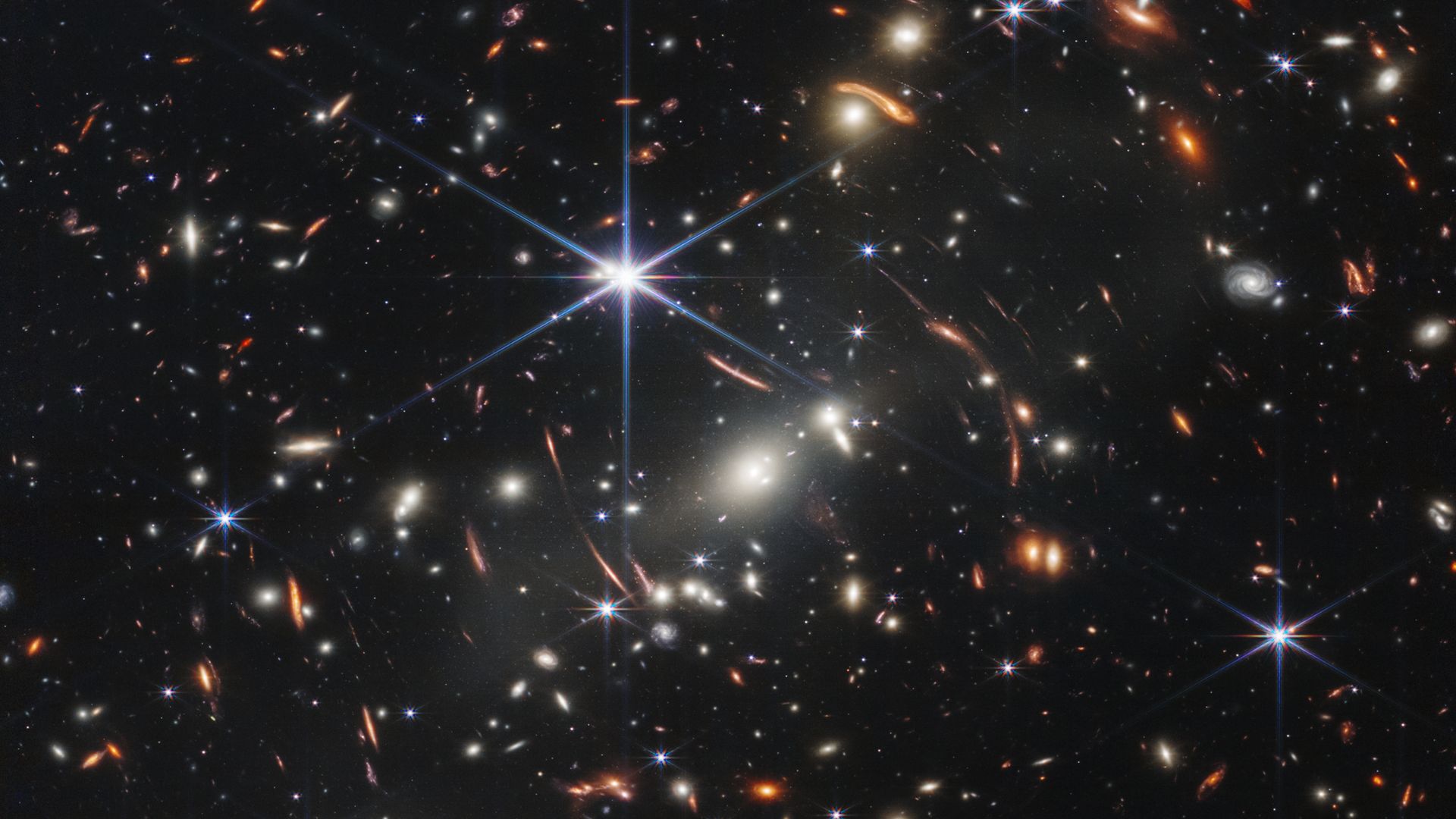
One recent model, published by a team led by Dr. X (hypothetical example), demonstrated that the key factor is the balance between accretion rate and feedback. In early galaxies, feedback was less able to expel gas because the gas was too dense and the star formation was too rapid—a runaway effect. The model matches observations from the James Webb Space Telescope (JWST), which has found surprisingly massive galaxies at very early times.
Common Mistakes
Mistake 1: Assuming Uniform Star Formation Efficiency
Many beginners think that star formation efficiency (the fraction of gas turned into stars per freefall time) is constant. In reality, it varies with metallicity, gas density, and feedback. Early galaxies had higher efficiencies because of the low metallicity and high surface density.
Mistake 2: Ignoring the Role of Dust
Dust is often overlooked, but it plays a crucial role in cooling and shielding. Early galaxies had little dust, which paradoxically contributed to higher star formation by allowing UV radiation to escape and preventing strong feedback.
Mistake 3: Confusing Activity with AGN Activity
While active galactic nuclei (AGN) are also more common in the early universe, this guide focuses on star formation activity. The two are related (both fed by gas inflows), but they are distinct phenomena. Ensure you separate star-forming galaxies from quasars.
Mistake 4: Treating Mergers as Instantaneous
Mergers take hundreds of millions of years, and the star formation burst may not occur until the final coalescence. Models must account for the delay. Early mergers were faster because of the higher density of the universe.
Summary
Early galaxies were furious star-forming machines due to three main factors: abundant cold gas from cosmic filaments, frequent mergers that compressed gas, and weaker feedback that allowed star formation to persist. Modern cosmological simulations are now able to recreate these conditions, showing that the peak of star formation activity around redshift 2–3 was a natural consequence of the evolving universe. Understanding this helps explain not only why galaxies were so active in the past, but also why they eventually settled into the quiescent objects we see today.