10 Key Takeaways from This Week's Climate and Energy News: Europe's Crisis Plan, Renewables Milestone & Global Actions
Introduction: The past week brought a flurry of critical developments in climate and energy policy. From the European Commission's emergency package to combat surging energy prices amid the Iran war, to renewables overtaking coal globally, and Colombia hosting a fossil-fuel summit – each story holds implications for our planet's future. This listicle breaks down the 10 most important updates, offering clear insights into what they mean for you. Whether you're concerned about energy bills, flight disruptions, or global warming trends, here's your essential guide.
1. Europe Unveils Energy Crisis Plan to Shield Consumers
The European Commission released a 16-page package on Wednesday aimed at cushioning the blow of sky-high energy prices exacerbated by the Iran conflict. The draft measures, dubbed 'AccelerateEU', include cutting electricity taxes and coordinating the summer filling of fossil-gas storage. However, the plan stops short of more radical interventions like capping gas prices or taxing energy companies' windfall profits – a move that disappointed some advocates. EU Energy Commissioner Dan Jorgensen warned that higher gas prices could persist for a 'couple of years', urging a rapid shift to clean energy. See the flight risk impact below. Legal tax reforms are expected in May but require unanimous EU approval, making them tricky to pass.

2. Flight Cancellations and Expensive Holidays Loom for Europe
The energy crisis is already hitting travel. Politico reported that 'AccelerateEU' also coordinates jet fuel and diesel supplies to avert a looming shortage. Commissioner Jorgensen told Sky News that European summer holidays face 'very likely' risks of cancellations or 'very, very expensive tickets'. The Financial Times confirmed that Lufthansa has slashed 20,000 flights between May and October to conserve fuel. This ripple effect underscores how fossil-fuel dependence can disrupt daily life – and why speeding up renewables is crucial for energy security.
3. Renewables Surpass Coal as World's Top Electricity Source
In a landmark moment, renewable energy overtook coal in 2025 to become the largest source of global electricity, according to analysis by thinktank Ember covered by Carbon Brief. This milestone highlights the accelerating transition away from fossil fuels, driven by falling costs and policy support. Yet, coal remains a major player in some regions, and the challenge now is to maintain momentum while ensuring a just transition for workers and communities. See China's coal control pledge.
4. France Omits Climate from G7 Agenda to 'Avoid US Row'
France deliberately left climate change off the menu at a G7 meeting in Paris this week to prevent a diplomatic spat with the United States, reported Agence France-Presse. The move highlights ongoing tensions between major economies on climate ambition. While France prioritised 'unity' on other issues, critics argue that sidelining the climate crisis is a dangerous gamble given the urgency of the situation.
5. China Pledges 'Strict Control' of Coal and New Climate Grading System
China announced two significant policies: a vow to 'strictly control' coal use, and a system to grade local authorities on their climate goal performance. Carbon Brief's Q&A details how these measures aim to curb emissions, but implementation remains key. China's coal consumption has been rising recently, so these pledges could mark a turning point if enforced. The success of global climate efforts heavily depends on the world's largest emitter.
6. UK Moves to Decouple Gas and Electricity Prices
Responding to fossil-fuel price spikes, the UK government declared it will 'move to break the link between gas and electricity prices', as reported by Carbon Brief. This reform could lower household bills and encourage investment in renewables by removing the distortion that makes gas set the price for all power. It's a major shift in energy market design, but details on implementation are awaited.
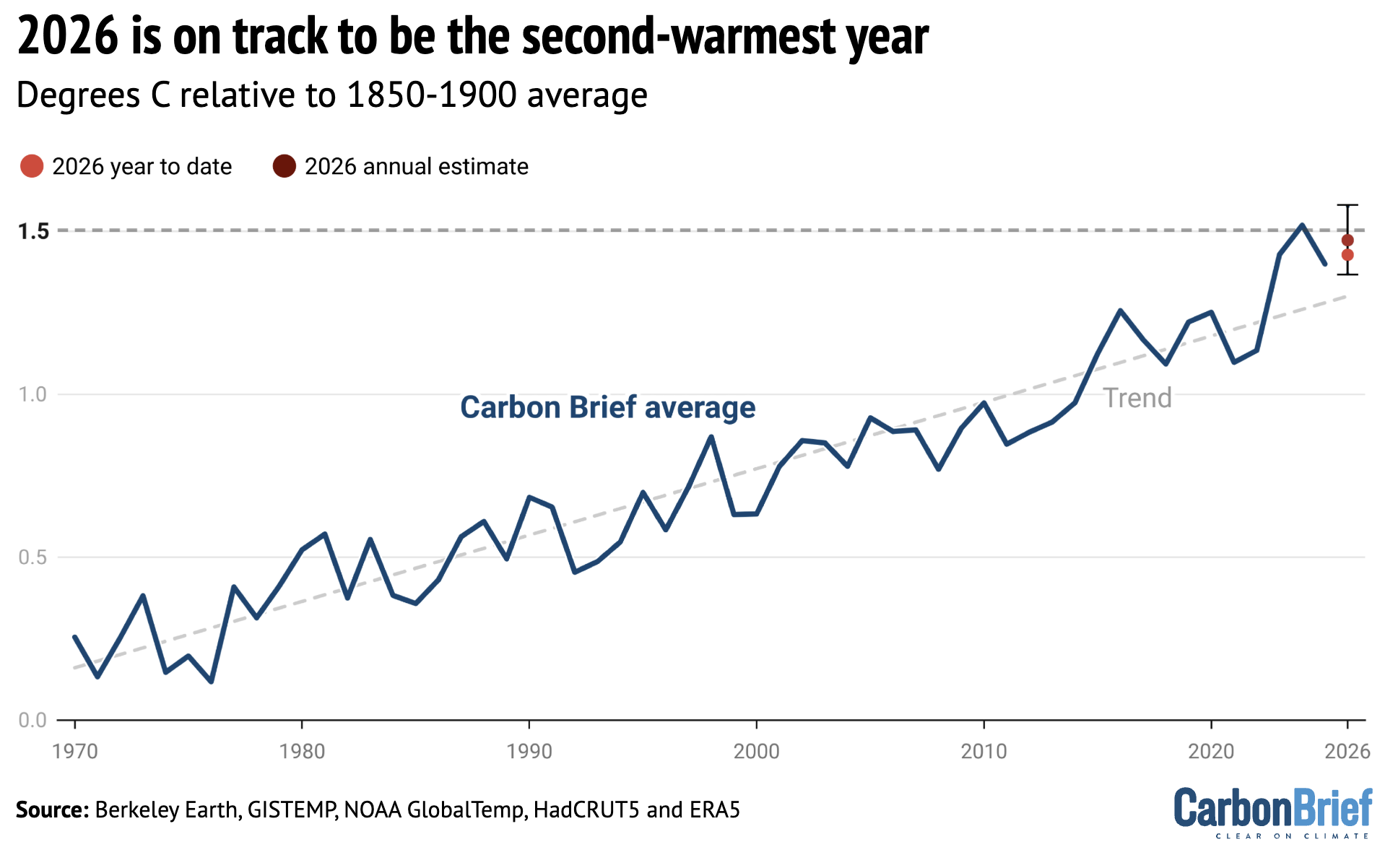
7. Food Systems 'Pushed to Brink' by Extreme Heatwaves
A joint report from the UN Food and Agriculture Organization and World Meteorological Organization warns that global food systems are being 'pushed to the brink' by increasingly severe heatwaves on land and at sea. The Guardian covered the stark findings, which project more crop failures and marine ecosystem disruptions. Adaptation, such as heat-resistant crops and better early warning systems, is urgently needed.
8. Japan Coins 'Kokushobi' for Days Hitting 40°C
In a national vote, Japan selected the term kokushobi (meaning 'cruelly hot') for days reaching 40°C, reported BBC News. The word reflects a grim reality: extreme heat is becoming more common, and language evolves to describe new climate extremes. It also serves as a cultural marker of our warming world.
9. Electric Vehicles Cheaper Than Petrol Cars by £785 on Average
New analysis shows that a brand-new electric vehicle is now, on average, £785 cheaper than its petrol counterpart, according to the data snippet from the original DeBriefed. This price parity is a tipping point that could accelerate EV adoption, cutting transport emissions. Lower running costs and government incentives add to the appeal. But charging infrastructure and battery supply chains remain challenges.
10. Colombia Hosts Fossil-Fuel Summit: A Contradiction?
Colombia, a country rich in oil and coal, is hosting a summit focused on fossil-fuel production. While details were sparse in the original summary, the summit underscores the tension between developing nations' economic reliance on fossil fuels and the global push for a clean energy transition. Discussions likely revolve around a 'just transition' and financial support for diversification. The outcome could signal whether producer countries are ready to lead or resist change.
Conclusion: This week's news paints a picture of a world scrambling to adapt to energy and climate shocks. Europe's crisis plan, while insufficient for some, shows that policymakers are moving – albeit cautiously. The renewables record offers hope, but extreme heat, food threats, and political compromises remind us that the transition is far from smooth. Staying informed and advocating for bold action are more critical than ever. For deeper dives, check out Carbon Brief's full coverage referenced throughout.