Your Step-by-Step Guide to Catching the May Triple Planet Spectacle
What You Need
Before you head out to witness Venus, Jupiter, and Mercury put on their celestial show, gather these essentials:
- Clear skies – Check the weather forecast for your area on the planned viewing evening.
- A low western horizon – The planets appear very low in the sky after sunset, so an unobstructed view is critical.
- Binoculars or a small telescope – While all three are visible to the naked eye, binoculars bring out details like Jupiter’s moons or Venus’s crescent phase.
- A star chart or astronomy app – Apps like Stellarium, SkySafari, or even Google Sky Map will help you pinpoint the exact positions.
- A red-light flashlight – Preserves your night vision while reading charts.
- Warm clothing and a comfortable chair – May evenings can be chilly, and you may be standing for a while.
- A camera and tripod (optional) – For capturing the scene, especially the moon-planet pairings.
Step-by-Step Instructions
Step 1: Know the Best Dates and Times
The triple-planet show unfolds in the last week of May. Mark your calendar for May 22 to May 29, when the three planets are closest together in the western sky. The ideal viewing window starts about 30 to 45 minutes after sunset. Check the exact sunset time for your location and then plan to be outside with a clear view of the western horizon.
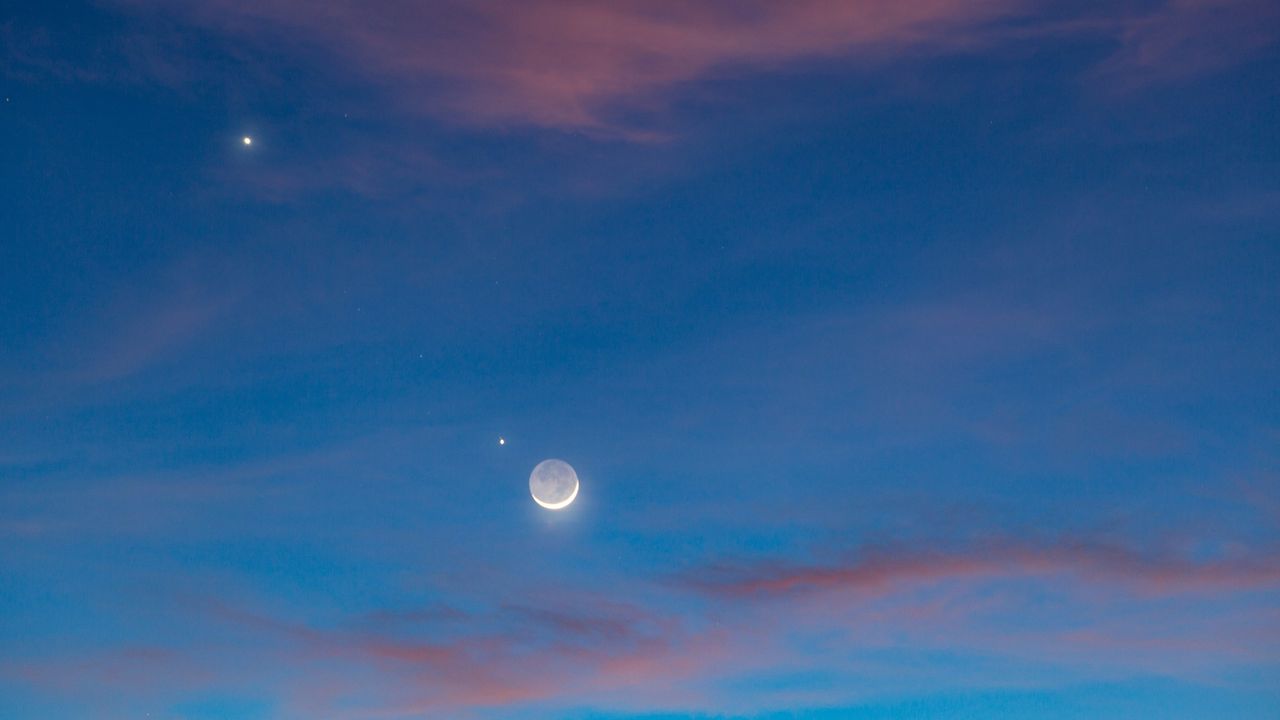
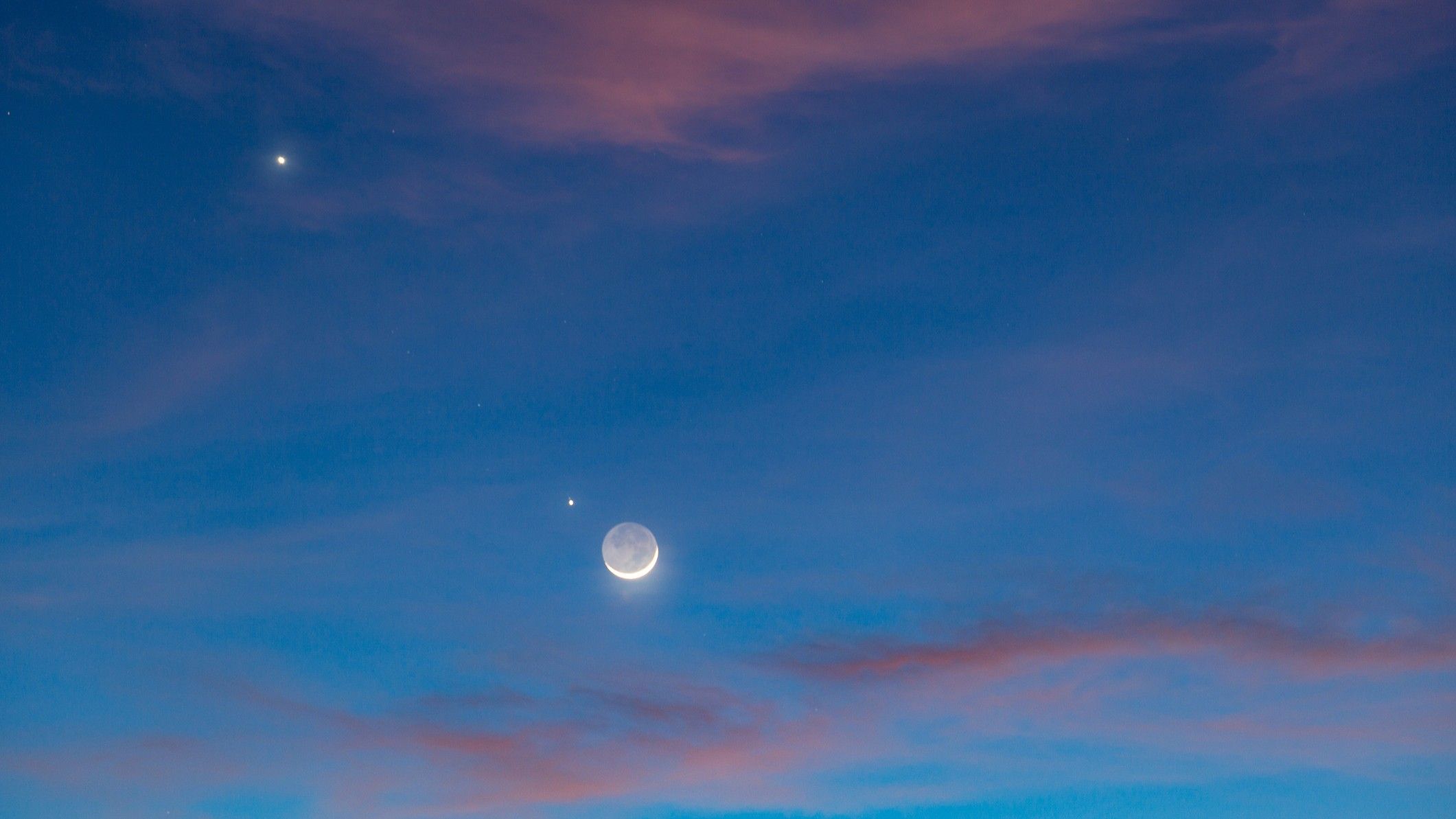
For the moon pairings, look for the slender crescent moon near Venus and Jupiter on May 23, then slipping past Mercury on May 24. These conjunctions add extra beauty to the scene.
Step 2: Find a Dark, Open Viewing Spot
The planets will be low, so even a small hill, a field, or a beach with a clear western horizon works. Avoid tall trees, buildings, or mountains blocking the view. Light pollution is less of an issue because the planets are bright, but darker skies will let you see fainter stars around them. If you can, drive to a rural area or a city park away from streetlights.
Step 3: Arrive Early and Let Your Eyes Adapt
Get to your spot at least 15 minutes before the viewing window starts. This gives your eyes time to adjust to the dimming twilight. Turn off your phone or use a red-light mode. Sit or stand comfortably, and scan the western horizon as the sky darkens.
Step 4: Locate Venus – The Brilliant Beacon
Right after sunset, look for the brightest point of light in the west – that’s Venus. It will be unmistakable, shining at magnitude -4.3. Venus serves as your anchor. Once you spot it, use it to find the other planets.
Step 5: Spot Jupiter – The Bright “Star” Nearby
About 10–15 degrees to the left (south) of Venus, you’ll see a slightly dimmer but still very bright object: Jupiter (magnitude -2.1). The two will be separated by about the width of your fist held at arm’s length. If you have binoculars, you might glimpse Jupiter’s four largest moons – Io, Europa, Ganymede, and Callisto – as tiny specks on either side of the planet.
Step 6: Find Mercury – The Elusive Closest
Now, look below and to the right of Venus, very close to the horizon. That’s Mercury (magnitude -0.6). It will be the faintest of the three, but still easily seen once you know where. Mercury sets quickly, so you have only about 20–30 minutes after sunset to catch it. If you don’t spot it immediately, wait a few minutes – it will become more obvious as the sky darkens.
Step 7: Observe the Three-Planet Lineup
On the best evenings (especially May 28–29), Venus, Jupiter, and Mercury will form a roughly straight line stretching diagonally from the horizon upward. Step back and enjoy the triangle-like arrangement. Take a photo if you like – a long exposure (1–2 seconds) with a wide-angle lens can capture the planets and the fading twilight.
Step 8: Enjoy the Moon’s Cameo Appearances
On May 23, the thin crescent moon will sit close to Venus, with Jupiter nearby – a gorgeous pairing. On May 24, the moon will be near Mercury and not far from Venus. Use binoculars to see the moon’s surface details (terminator line) while sharing the same field of view with the planets.
Tips for Success
- Check the time! Mercury sets within an hour after sunset, so don’t be late. Set an alarm for the start of the viewing window.
- Use a planetarium app to get precise rise/set times for your exact latitude and longitude.
- If you miss it in May, don’t worry – similar groupings occur periodically, but this May show is particularly tight.
- Invite friends – sharing the experience makes it more memorable.
- Practice with binoculars during the day to get used to focusing on distant objects quickly in twilight.
- Capture the moment: Mount your camera on a tripod, set ISO 800, aperture f/2.8 or widest, and experiment with exposures from 1 to 4 seconds.
- Weather backup: If clouds spoil your night, many astronomy apps offer “virtual” sky simulations – you can still learn the layout for the next clear evening.
With these steps, you’ll be ready to enjoy one of the finest multi-planet gatherings of the year. The key is preparation and a bit of patience. The May sky show is a reminder of the dynamic beauty of our solar system – all from your own backyard.