Building Your Fleet's Charging Backbone: A Guide to Tesla’s Semi Charging Program
Overview
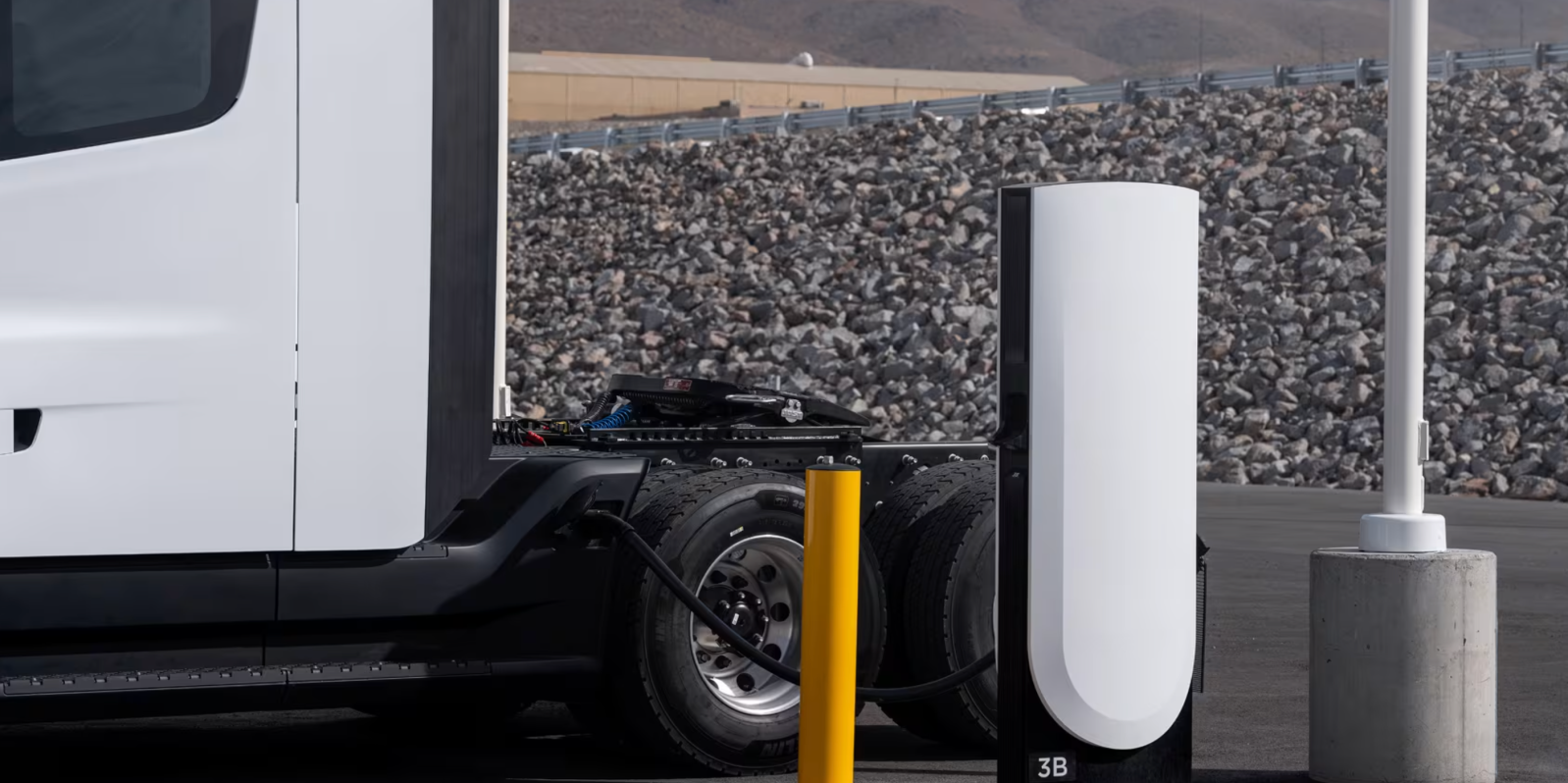
Tesla has introduced a comprehensive charging solution for heavy-duty electric trucks, specifically the Tesla Semi. The Semi Charging for Business program allows fleet operators and businesses to purchase and install their own charging infrastructure. This includes two options: the high-power Megacharger (capable of 1 MW) and the newly announced Basecharger, a lower-power 125 kW unit designed for overnight depot charging. The program also reveals pricing details and operational fees. This guide will walk you through the steps to evaluate, select, and implement these chargers for your fleet, covering prerequisites, installation considerations, cost analysis, and common pitfalls.
Prerequisites
Before diving into the installation process, ensure your organization meets the following prerequisites:
- Fleet Composition: Your fleet must include or plan to include Tesla Semi trucks. The charging solutions are optimized for Tesla’s electric semi-truck and may not be compatible with other electric trucks without adapters (future compatibility is unconfirmed).
- Facility Space: A dedicated site (depot, warehouse, or terminal) with sufficient space for charger installation, including transformer pads, cable management, and truck parking.
- Electrical Infrastructure: Access to high-voltage power lines and the ability to accommodate the required electrical capacity. For Megachargers, a 1 MW connection is needed per post; Basechargers require 125 kW per unit.
- Permitting and Zoning: Local permits for electrical work, construction, and possibly environmental assessments. Check with your municipality for any special zoning requirements for high-power charging stations.
- Budget Allocation: Financial resources to cover the purchase, installation, and ongoing operation. The Megacharger posts start at $188,000 for two (before taxes and installation), plus a $0.08 per kWh fee for revenue-generating sites. Basecharger pricing is not yet public but is expected to be lower.
Step-by-Step Guide to Implementing Tesla Semi Charging
Step 1: Assess Your Fleet’s Charging Needs
Begin by analyzing your fleet’s daily routes, mileage, and idle time. Tesla Semi has a range of up to 500 miles (EPA estimate). For overnight depot charging, a 125 kW Basecharger can replenish about 750 kWh in 6 hours (assuming 100% efficiency), which is sufficient for short-haul operations. For long-haul routes requiring midday charging, a Megacharger can add roughly 70% charge in 30 minutes. Use the following formula to estimate required charger power:
Required Power (kW) = (Battery Capacity in kWh × Desired Charging Percentage) / Available Charging Time in Hours
Example: For a Semi with 900 kWh battery, charging from 20% to 80% (540 kWh) in 8 hours: 540 / 8 = 67.5 kW → a Basecharger (125 kW) is more than enough. For a 30-minute midday top-up (0.5 hours) to add 500 kWh: 500 / 0.5 = 1000 kW → need a Megacharger.
Step 2: Choose Between Basecharger and Megacharger
Tesla’s program offers two distinct products:
- Basecharger (125 kW): Ideal for depot overnight charging, lower cost, lower installation complexity. Suitable for fleets with predictable schedules and ample downtime. It uses existing AC power and requires a step-down transformer.
- Megacharger (1 MW): High-speed charging for on-route stops, urgent turnaround, or multi-shift operations. Uses DC power directly, requiring a dedicated substation. The initial investment is higher but enables faster vehicle utilization.
Consider a hybrid approach: install Basechargers at the depot for nightly charging and Megachargers at key route nodes for en-route charging. Tesla’s configurator currently shows $188,000 for two Megacharger posts (excluding installation). This price includes the charging unit and connectivity. Basecharger pricing is expected to be announced soon.
Step 3: Site Selection and Electrical Preparation
Engage a professional electrical contractor to survey your site. Key considerations:
- Transformer Capacity: For a Megacharger, a 1.25 MVA transformer is typically needed per post. For Basecharger, a 150 kVA transformer may suffice for one unit. Multiple units require scaling.
- Cable Routing: Plan for underground or overhead conduits to connect the grid to the charger pad. Ensure cables are rated for high voltage (up to 1000 V for Megacharger, 480 V for Basecharger).
- Concrete Pad: Each charger requires a reinforced concrete pad to support the unit and withstand weather. Dimensions: roughly 10 ft by 10 ft for a Megacharger, smaller for Basecharger.
- Lighting and Safety: Install proper lighting, bollards for protection, and signage. Include emergency shutoff and fire suppression if required by code.
Step 4: Order and Install the Chargers
Order through Tesla’s online configurator. You’ll need to provide site details, electrical capacity, and planned usage. After ordering, Tesla will schedule delivery and provide technical documentation. Installation should be performed by Tesla-certified electricians or authorized partners. Typical timeline: 4-6 weeks from order to delivery, plus 2-3 weeks for installation and commissioning.

Installation Steps (High-Level):
- Prepare the site: excavation, concrete work, and conduit placement.
- Install transformer and switchgear (if not existing).
- Mount the charger unit on the pad. Connect cables.
- Configure network connectivity (the charger communicates with Tesla’s cloud for billing and monitoring).
- Test with a Tesla Semi or a compatible test load.
Step 5: Set Up Operational Billing and Monitoring
Tesla charges an all-inclusive fee of $0.08 per kWh for revenue-generating sites (i.e., when you charge your own fleet trucks at your own depot). This fee covers electricity costs, maintenance, and software. For non-revenue sites (e.g., private fleet with no external charging), you may negotiate a different rate or pay upfront for electricity. Use Tesla’s fleet management portal to monitor charging sessions, view energy consumption, and generate reports. Ensure your staff is trained on using the chargers and troubleshooting common issues (e.g., connector latch problems, communication errors).
Common Mistakes and How to Avoid Them
- Underestimating Installation Costs
- Many focus only on the charger price ($188,000 for two Megacharger posts). Installation can add 50% to 100% more due to trenching, transformer upgrades, permits, and labor. Get multiple quotes and factor in a 20% contingency.
- Ignoring Demand Charges
- High-power charging can spike your facility’s peak demand, increasing utility bills. Consider installing energy storage (like Tesla Megapack) to buffer peak loads, or schedule charging during off-peak hours to minimize demand charges.
- Choosing the Wrong Charger Type
- Using Megachargers for overnight depot charging is wasteful and expensive. Conversely, using only Basechargers for trucks that need midday charging may cause operational delays. Match charger type to usage pattern.
- Neglecting Scalability
- Plan for future fleet expansion. Install extra conduit, transformer capacity, and pad space during initial construction even if not immediately used. Retrofitting is more costly.
- Skipping Permitting
- High-power chargers often require environmental review, building permits, and utility interconnection agreements. Start the permitting process early to avoid delays.
Summary
Tesla’s Semi Charging for Business program provides a structured path for fleet operators to deploy reliable charging infrastructure. The key decision is choosing between the Basecharger (125 kW) for overnight depot use and the Megacharger (1 MW) for fast en-route charging. The upfront cost of two Megacharger posts is $188,000 (excluding installation), with a $0.08/kWh operational fee. By following the steps outlined above—assessing needs, selecting the right charger, preparing the site, installing carefully, and setting up billing—you can avoid common pitfalls and ensure a successful deployment. Remember to account for installation costs, demand charges, and future scalability. With proper planning, Tesla Semi chargers can transform your fleet’s efficiency and sustainability.