Embracer Group Eyes External Licensing for Deus Ex, Saints Row, TimeSplitters: What It Means for Gamers
In a strategic pivot that has captured the attention of the gaming community, Embracer Group has announced plans to more actively license out several of its beloved franchises to external development partners. This move, part of a broader corporate restructuring, could breathe new life into series like Deus Ex, Saints Row, TimeSplitters, and Thief. Here we break down the key questions and answers about what this means for the future of these iconic games.
What Exactly Is Embracer Group Doing With These Classic IPs?
Embracer Group is establishing a new IP & licensing business unit that will take a more aggressive approach to leasing out its back catalog. Instead of keeping development strictly in-house—something the conglomerate has done since acquiring these franchises—they now plan to actively shop series like Deus Ex, Saints Row, TimeSplitters, and Thief to external studios. This means teams outside the Embracer corporate umbrella could secure the rights to create new entries, spin-offs, or even reimaginings. The company describes this as part of a broader restructuring that includes splitting into multiple separate entities, a move that has historically allowed for more focused portfolio management. The goal is to unlock value from dormant IPs while reducing internal risk.
Which Franchises Are Being Considered for External Licensing?
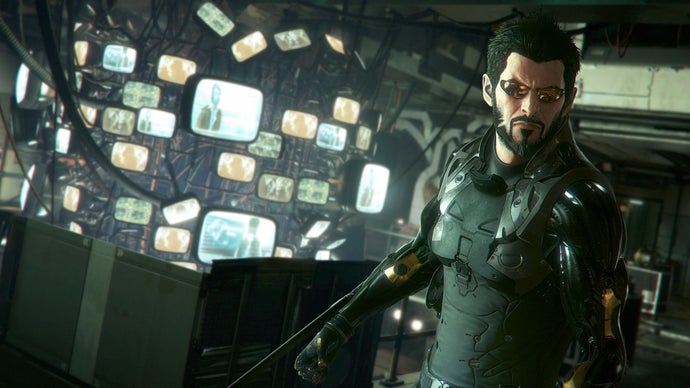
While Embracer controls a vast library of intellectual property, the company has specifically highlighted four high-profile series: Deus Ex (cyberpunk RPG), Saints Row (open-world action), TimeSplitters (arcade-style shooter), and Thief (stealth classic). These titles were either acquired through purchases of studios like Eidos-Montréal or inherited from previous mergers. Each has a passionate fanbase but has seen limited recent activity—Deus Ex hasn't had a new mainline entry since 2016, Saints Row's 2022 reboot was poorly received, TimeSplitters has been stuck in development limbo, and Thief's last game came out in 2014. The licensing plan offers a chance to revitalize these brands without Embracer having to commit its own resources.
How Could This Lead to New Games in These Series?
By licensing IPs to external partners, Embracer allows specialized studios—possibly those with proven track records in similar genres—to develop and publish new games. For example, a studio known for immersive sims could tackle a new Deus Ex, while a team experienced in sandbox mayhem might handle Saints Row. The licensing deal typically would grant the partner creative control, funding, and a share of revenue, while Embracer retains ownership and likely approval rights. This model has worked before: other publishers like Sega have licensed out Streets of Rage and Crazy Taxi to indie developers with strong results. If a partner delivers a hit, it could reignite franchise momentum and even lead to sequels.
Why Is Embracer Choosing to License Instead of Developing Internally?
The decision stems from Embracer's recent corporate restructuring, which saw the company split into three independent entities: Asmodee Group (board games), Coffee Stain & Friends (smaller studios), and Middle-earth Enterprises & Friends (AAA gaming). This separation is designed to streamline operations and reduce overhead. Licensing IPs allows each entity to focus on core competencies while external developers shoulder production risks. It also provides a steady revenue stream through royalties without requiring large internal teams. For IPs like TimeSplitters that have been in development hell, outsourcing might be the quickest path to a finished product. Embracer's CEO has hinted that this approach could be expanded to other dormant properties if successful.
What Does This Mean for Fans of These Franchises?
For fans, this is cautiously optimistic news. The possibility of new entries from talented external studios offers a fresh perspective that might fix issues fans had with recent installments, such as Saints Row's tonal inconsistency or Deus Ex: Mankind Divided's abrupt ending. However, there are risks: licensing could lead to lower production values if the partner is underfunded, or creative directions that feel disconnected from the series' core identity. Fans should also temper expectations—licensing discussions are still exploratory, and no deals have been announced. The timeline for any new game is likely several years away. Still, for franchises that seemed all but dead, the mere possibility of revival is a win.
Are There Any Precedents for This Kind of Licensing Strategy?
Yes, the gaming industry has several examples of successful IP licensing. Sega licensed Streets of Rage 4 to Lizardcube and Guard Crush Games, resulting in a critically acclaimed revival. Konami outsourced Castlevania: Lords of Shadow to MercurySteam. Even Nintendo licenses its characters to external studios for games like Mario + Rabbids. The key success factors are clear: the partner must understand the IP's core appeal, have adequate funding, and maintain open communication with the IP owner. Embracer seems aware of this, noting they will be selective about partners. If they follow proven models, fans could see high-quality entries that honor the series' legacy while modernizing gameplay.
How Does This Relate to Embracer's Corporate Split?
The licensing initiative directly ties into Embracer's decision to split into three companies. By creating a dedicated IP & licensing unit, each new entity can optimize its portfolio without being bogged down by dormant brands. For instance, Coffee Stain & Friends can focus on indie-scale hits, while Middle-earth Enterprises & Friends handles blockbusters like Tomb Raider. Licensing out middle-tier IPs like TimeSplitters prevents them from being neglected and generates revenue for the parent company. This structure also makes it easier to spin off or sell IPs if opportunities arise, giving Embracer financial flexibility. In short, the licensing push is a logical consequence of their strategic shift toward specialization and value extraction.
When Might We See the First Licensed Games?
It's too early for release dates. Embracer has only stated that they will be more actively exploring licensing deals—no contracts have been signed. Typically, after a partner is chosen, development takes 2–4 years for a major title. Licensing negotiations themselves can take months. Therefore, the earliest possible window for an announcement might be late 2024 or 2025, with actual game launches coming in 2026 or later. Given that some IPs like TimeSplitters have pre-existing prototypes, the timeline could be shorter. However, fans should expect no rapid turnaround—this is a long-term strategy. For now, the best course is to follow official Embracer channels for updates on licensing partners.