Ancient Dingo Burial Reveals Centuries of Care by Indigenous Australians
Introduction: A Remarkable Archaeological Discovery
Archaeologists have uncovered compelling evidence that Indigenous Australians cared for a dingo's grave for centuries, demonstrating the deep bond between humans and these animals in ancient times. The burial site, located in what is now New South Whales, Australia, provides a unique glimpse into the cultural and spiritual significance of dingoes for the Barkindji people. This discovery challenges modern assumptions about the relationship between ancient communities and wildlife, showing that dingoes were treated with the same respect and ceremony as human family members.
The Discovery: A Grave Hidden in Plain Sight
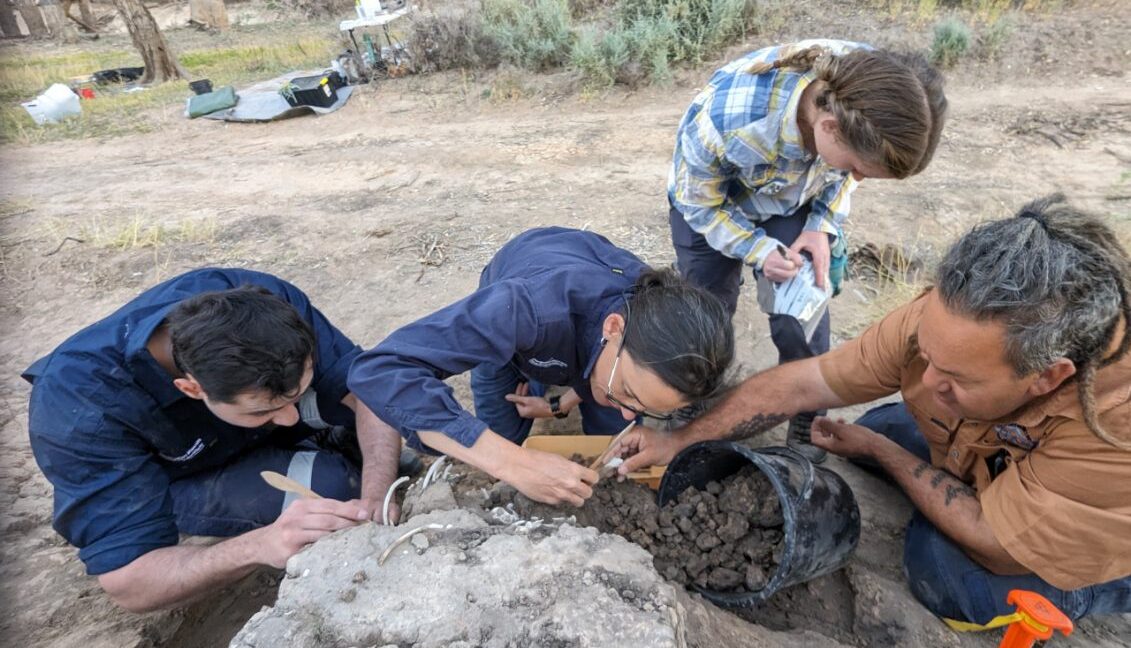
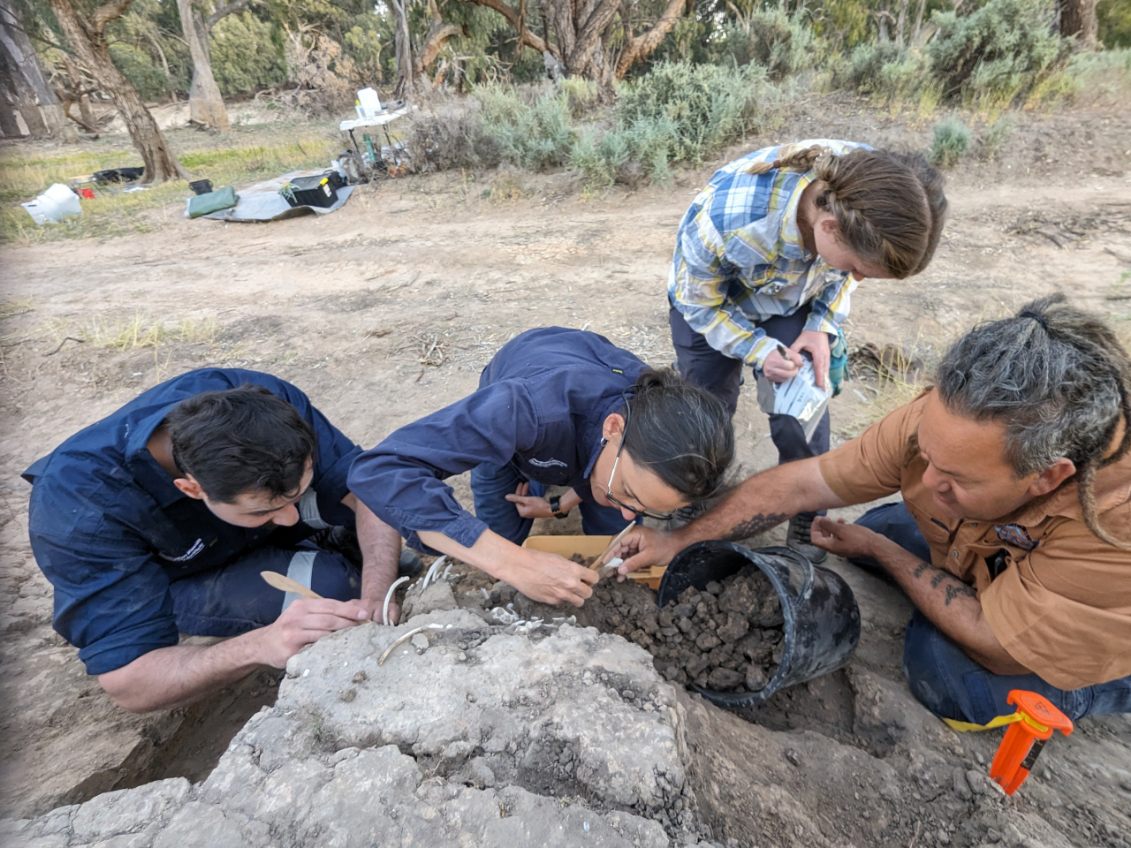
Five years ago, Barkindji Elder Uncle Badger Bates and National Parks and Wildlife Service archaeologist Dan Witter made a startling find while examining a road cut in Kinchega National Park, an area along the Baaka (Darling River) in New South Wales. They noticed bones eroding from the soil and quickly recognized them as belonging to a dingo. The skeleton was lying on its left side, carefully placed in a mound constructed from river mussel shells. This intentional burial suggested that the dingo was not simply discarded but interred with care and purpose.
The Burial Ceremony: A Ritual of Respect
Further analysis by archaeologists from the Australian Museum and the University of Sydney revealed that the dingo was buried approximately 1,000 years ago. The shell mound was not a random accumulation but a deliberately built structure, indicating a ceremonial burial. The positioning of the dingo — on its left side with carefully arranged limbs — mirrors burial practices used for humans in the region. Amy Way, an archaeologist and co-author of the study, noted that this discovery demonstrates that dingoes were "deeply valued and loved" by ancient Aboriginal communities. The grave was also maintained over many generations, with new shells added periodically, suggesting that the site held ongoing spiritual importance.
Decades of Care: Maintaining the Grave Over Centuries
The study found that the grave was not a one-time event but a sustained act of remembrance. The shell mound was repeatedly replenished, likely by different generations of Barkindji people. This long-term maintenance indicates that the dingo was not forgotten; instead, it remained an integral part of the community's collective memory. Such persistent care is rare in archaeological contexts and underscores the profound emotional connection between the Barkindji and their dingo. The animal, called garli in the Barkindji language, may have been a companion, a totemic figure, or both. The grave's location along the Baaka River further ties the dingo to the landscape, reinforcing the idea that these animals were woven into the fabric of Indigenous life and spirituality.
Significance: Rethinking Human-Animal Relationships in Ancient Australia
This find challenges earlier views that dingoes were merely wild or semi-domesticated pests. Instead, it aligns with oral histories and ethnographic records that describe dingoes as valued helpers, protectors, and even kin. The Barkindji people's careful preservation of the grave offers a powerful counterpoint to colonial narratives that dismissed Indigenous care for animals. It also highlights the sophistication of pre-colonial land management and ritual practices. The dingo burial is a testament to the enduring bond between Aboriginal Australians and their environment, one that persisted across centuries despite environmental changes. For modern readers, it serves as a reminder of the depth of Indigenous knowledge systems and the importance of preserving such heritage.
Further reading: Learn more about the discovery process and the burial ceremony itself.