How to Prepare for the Looming Memory Price Hike Driven by Nvidia’s Rubin AI Platform
Introduction
If you’ve noticed electronics getting pricier lately, it’s not your imagination. A major factor is the skyrocketing demand for memory chips—especially LPDDR (Low-Power Double Data Rate memory)—driven by Nvidia’s next-generation Rubin AI platform. By 2027, Rubin is forecast to consume over 6 billion gigabytes of LPDDR, surpassing the combined usage of Apple and Samsung. This surge is already pushing up RAM, storage, and device costs. This guide will walk you through the forces at play and help you make smarter buying decisions in a market that’s about to get a whole lot tighter.
What You Need
- Understanding of AI hardware trends: Basic awareness of how AI chips like Nvidia’s Blackwell and Rubin work.
- Knowledge of your current devices: Check the age and memory specs of your phone, tablet, PC, and gaming console.
- A budget plan: Decide how much you’re willing to spend on upgrades in the next 1–2 years.
- Price tracking tools: Use websites like CamelCamelCamel or Keepa to monitor RAM, SSD, and device prices.
Step-by-Step Guide
Step 1: Grasp the Scale of Nvidia’s LPDDR Demand
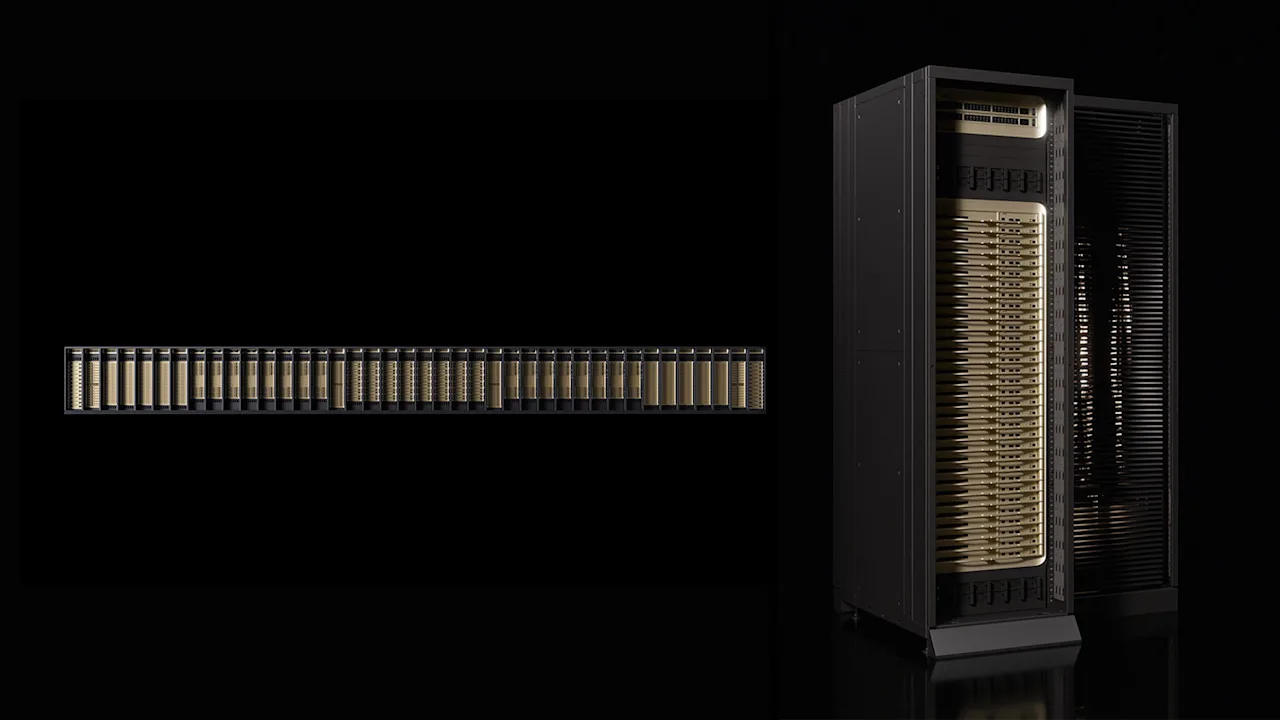
Nvidia’s Rubin AI platform, named after astronomer Vera Rubin, is designed to handle generative AI’s need for real-time reasoning. According to Citrini Research, Rubin will require more than 6 billion GB of LPDDR in 2027. That’s more memory than Apple and Samsung combined use today. This massive consumption will strain the global LPDDR supply chain, leading to higher prices for consumers.
Step 2: Recognize How Rubin Affects Apple and Samsung
While Apple and Samsung are themselves massive consumers of LPDDR for iPhones, Galaxy phones, and tablets, Nvidia’s needs will dwarf theirs. Even in 2024, Nvidia is expected to use more LPDDR than either company individually. By 2027, the gap widens dramatically. This means the two tech giants will have to compete harder for limited memory components, likely passing on those costs to you through higher device prices.
Step 3: Understand the Pandemic-Era Upgrade Cycle
During the pandemic, people bought a wave of electronics—laptops, tablets, TVs, consoles—to work and entertain from home. Many of those devices are now 4–6 years old and due for replacement. For example, televisions are typically replaced every 6.6 years, so over 20% of global TVs are in the “upgrade zone.” PCs are also in a major upgrade cycle, but RAM prices have risen 150–200% in the past year alone. Storage prices (HDDs, SSDs) have followed suit. This demand spike coincides with Rubin’s ramp-up, worsening shortages.
Step 4: Monitor the Impact on Gaming Consoles
Video game systems are not immune. For the first time in nine generations, console prices are rising years after launch. Nintendo raised the Switch 2 from $450 to $500; Sony hiked the PS5 by up to $150 (the PS5 Pro now costs $900); Microsoft increased Xbox Series X and Series S prices twice, reaching $650 and $600 respectively. These increases are partly due to memory costs. If you’re planning to buy a console, act soon—prices may climb further.
Step 5: Anticipate Smartphone and Tablet Price Hikes
Smartphones and tablets are the next frontier. With Nvidia gobbling up LPDDR, manufacturers like Samsung and Apple will face higher component costs. Expect new models to carry higher price tags, especially during the holiday season. If you can, delay your upgrade or consider buying a slightly older model when it goes on sale.
Step 6: Leverage Nvidia’s $1 Trillion in Pre-Orders
Nvidia has secured $1 trillion in orders for Blackwell and Rubin through 2027, as announced in March. This massive backlog locks in memory supply for AI customers, leaving less for consumer electronics. This is great for Nvidia investors, but it pushes scarcity costs onto you. Stay informed about Nvidia’s production timelines—any delays could temporarily ease consumer prices, while speedups could worsen them.
Step 7: Compare Rubin’s Performance Leap
Rubin promises to be twice as fast as Nvidia’s current flagship, Blackwell. The enhanced performance demands even more memory, as real-time AI reasoning requires larger data sets in low-power memory. Faster AI chips mean better services (e.g., ChatGPT, image generators), but they also mean persistent upward pressure on LPDDR prices for the foreseeable future.
Step 8: Create a Personal Buying Strategy
- For PCs: Buy RAM and SSDs now if you see a deal—prices are unlikely to drop in the next 12 months. Consider upgrading to 32GB instead of 16GB to future-proof.
- For phones/tablets: Hold onto your current device if it still works. If you must upgrade, look for refurbished or last-year’s models.
- For consoles: If you’re on the fence, buy now. Console prices have historically dropped over time, but that trend is broken.
- For TVs: Smart TVs need more memory; if you buy now, opt for a model with at least 2GB of RAM to avoid slowdowns as apps evolve.
Tips for Savvy Shoppers
- Set price alerts on components like DDR5 RAM and NVMe SSDs using price trackers. A 10% drop could be a rare opportunity.
- Buy in bulk if you build PCs—memory kits often come with discounts for pairs or quad-channel.
- Check warranty and return policies before purchasing; if memory prices fall later (unlikely but possible), you might want to return and rebuy.
- Ignore FOMO (Fear Of Missing Out): Nvidia’s Rubin won’t make your current devices obsolete overnight. You have time to plan.
- Consider enterprise/memory-rich alternatives: Some companies offer “brown box” or unbranded memory for less, though warranty may be shorter.
- Donate or trade in old devices to offset upgrade costs. Sites like Gazelle or Apple Trade In often yield decent credit.
By understanding the LPDDR supply chain and Nvidia’s role, you can navigate the coming price storm. The key is to act ahead of the curve—not react when prices peak.