Japan's Hidden Ancestors: The Three-Part Origin Story Revealed by DNA
For decades, the prevailing theory held that the Japanese people descended from two primary ancestral groups: the Jōmon hunter-gatherers and the Yayoi rice farmers. However, a major genomic study analyzing thousands of modern Japanese individuals has uncovered a third, previously overlooked ancestral lineage—one linked to the ancient Emishi of northeastern Japan. This discovery not only reshapes our understanding of Japan's population history but also reveals how ancient DNA from Neanderthals and Denisovans continues to influence health conditions such as diabetes, heart disease, and cancer. Dive into the questions below to explore this groundbreaking research.
What did scientists discover in the new DNA study of Japanese people?
By sequencing and analyzing the genomes of over 3,000 individuals across Japan, researchers identified genetic signatures that pointed to three distinct ancestral populations instead of the long-accepted two. The newly recognized third group was most prevalent in the northeastern region of Tohoku, aligning with historical records of the Emishi people—a group often depicted as resisting the early Yamato state. This finding suggests that the peopling of Japan involved more complex migrations and admixtures than previously thought, with the Emishi representing a unique genetic branch that had been absorbed into modern Japanese populations over centuries.
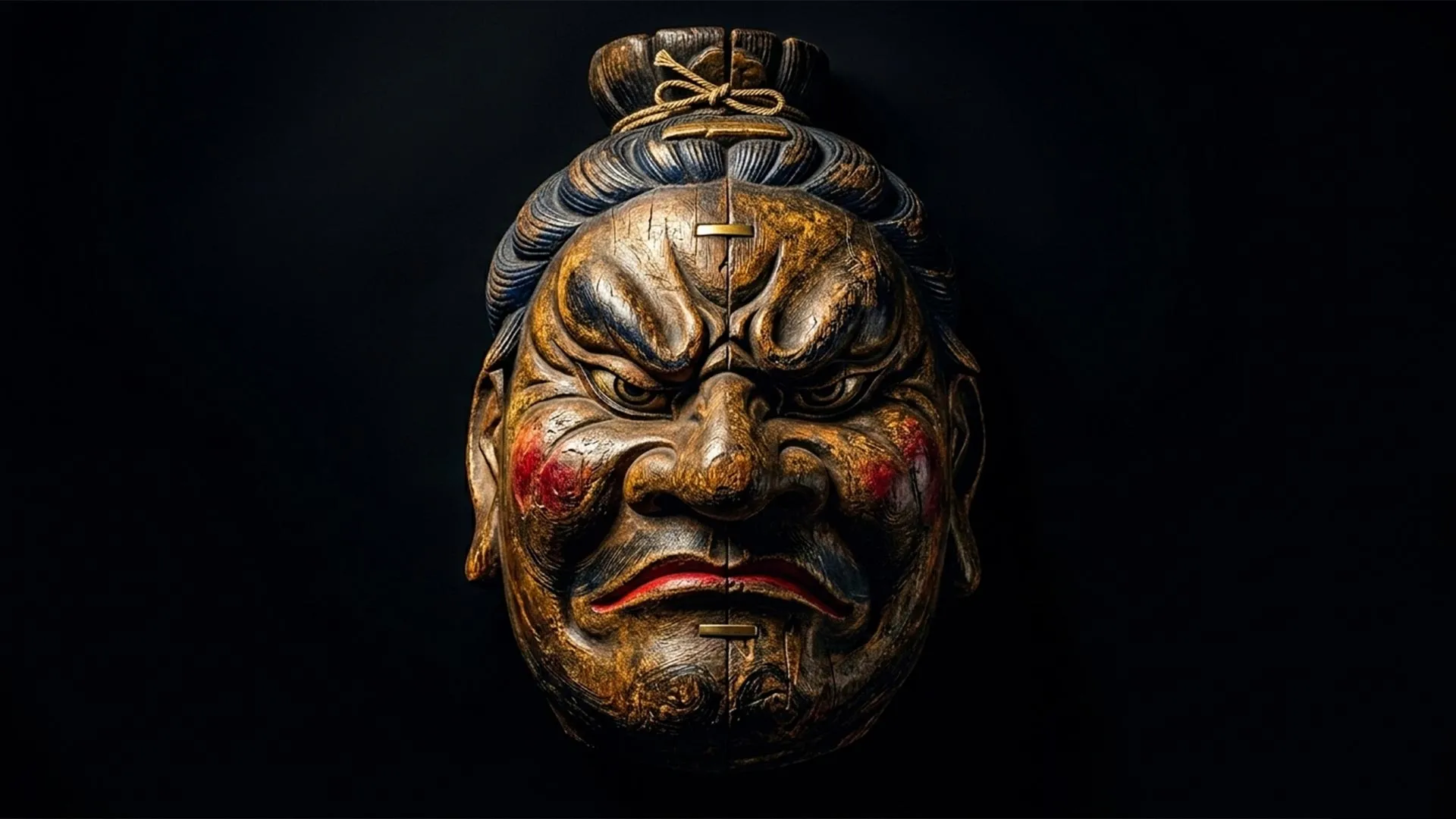
What is the "dual origins" theory, and why is it being revised?
The dual origins hypothesis proposed that modern Japanese are descendants of two major waves: the indigenous Jōmon (who arrived around 15,000 years ago) and the later Yayoi (who migrated from the Korean Peninsula about 2,300 years ago). This model explained differences in physical traits and material culture across the archipelago. However, the new genomic work reveals a third component—one that is neither purely Jōmon nor Yayoi. It appears to have arisen from an ancient population that remained relatively isolated in northeastern Honshu, the homeland of the Emishi, and then intermingled with other groups. The revision underscores that population history is rarely a simple two-step process.
Who were the Emishi people, and how do they fit into Japan's ancestry?
The Emishi were a historical group inhabiting the Tohoku region of Honshu, often described in early Japanese records as a distinct people with their own language and culture. They are frequently associated with the Satsumon culture of the north and may have been related to the Ainu of Hokkaido. The new DNA analysis shows that the Emishi contributed a unique genetic signature to modern Japanese, especially those living in the northeast. This ancestry is distinct from both the southern Jōmon and the western Yayoi, suggesting that the Emishi formed a third, relatively isolated population that mixed with others only after the Yamato state expanded. Thus, the Japanese gene pool is a blend of three, not two, founding streams.
How do Neanderthal and Denisovan DNA relate to Japanese health?
The study also examined archaic hominin DNA—pieces of Neanderthal and Denisovan genomes that persist in modern humans. Researchers found that certain variants inherited from these ancient cousins are linked to increased risks for diabetes, heart disease, and cancer in the Japanese population. For instance, a Neanderthal-derived gene variant associated with blood clotting may affect cardiovascular health, while a Denisovan variant influences immune responses. The findings highlight how ancient interbreeding events tens of thousands of years ago continue to shape disease susceptibility today, offering new targets for personalized medicine and a deeper understanding of how evolutionary history impacts modern health.
What methods did researchers use to uncover this third ancestry?
The team employed high-resolution genome-wide analysis, including principal component analysis and ADMIXTURE software, to cluster individuals based on genetic similarities. By comparing modern genomes with ancient DNA samples from Jōmon, Yayoi, and other prehistoric sites, they could identify which ancestral components were present. They also used haplotype-based methods to trace the geographic distribution of genetic segments. The key step was comparing Japanese genomes from different regions—especially the northeast—against reference populations from East Asia. The statistical signals consistently showed a third ancestry component strongest in Tohoku, which did not fit the two-wave model. This rigorous approach convinced the scientific community that the old theory needed an update.
How might this discovery change our understanding of Japanese history?
Beyond genetics, the finding revises the narrative of how the Japanese archipelago was populated. It suggests that the Emishi were not merely a remnant of earlier Jōmon people but a distinct population that maintained a separate identity and genetic makeup until relatively recently. This aligns with historical accounts of fierce resistance against the Yamato state and implies that cultural and genetic diversity in ancient Japan was greater than assumed. For historians, the study provides a new lens to view the integration of peripheral regions into the early Japanese state. For the Japanese people today, it offers a more nuanced picture of their heritage—one that includes three ancestral roots, each contributing to the nation's biological and cultural richness.