How to Secure Federal Approval for a Large-Scale Battery Project in Australia
Introduction
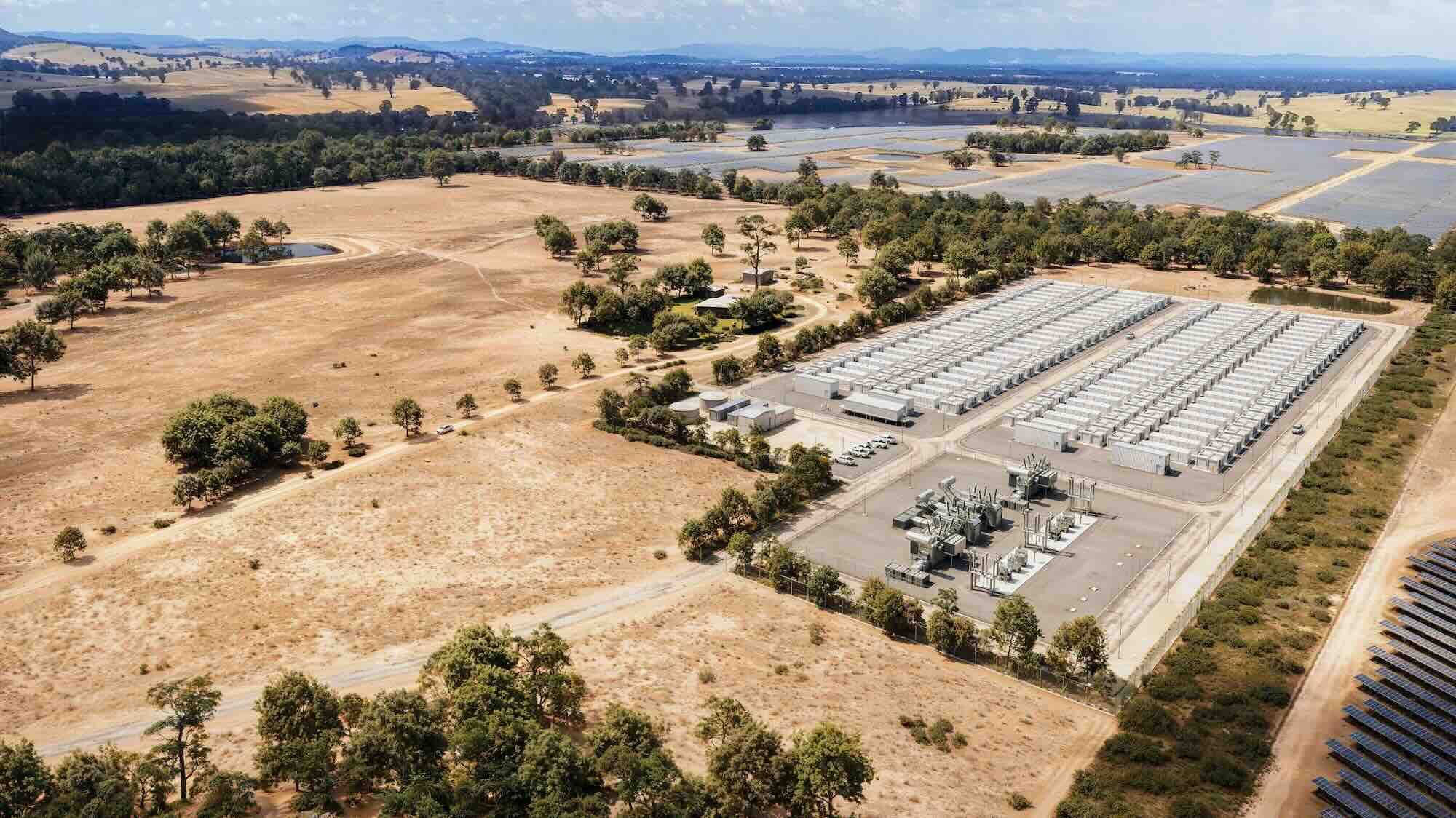
Building a large battery project—like the recently approved 400-megawatt, four-hour system sited between two solar farms in north-east Victoria—is a complex process that requires navigating federal environmental laws, stakeholder engagement, and technical planning. This guide walks you through the key steps developers must take to get the green light under Australia's Environment Protection and Biodiversity Conservation Act (EPBC), using that real-world case as a model. Whether you're a project developer, investor, or just curious, you'll learn how to turn a battery proposal into an approved reality.

What You Need
- Suitable site – Proximity to renewable generation (e.g., solar farms) and grid connection points
- Preliminary design – Battery capacity (MW), duration (hours), technology type (e.g., lithium-ion), and layout
- Environmental studies – Biodiversity surveys, heritage assessments, noise and visual impact reports
- Community engagement plan – Strategy for consulting local residents, councils, and Traditional Owners
- Legal and regulatory team – Specialists in EPBC Act, state planning, and energy market rules
- Grid connection agreement – Preliminary approval from the Australian Energy Market Operator (AEMO) or local network operator
- Financial backing – Funding for development, construction, and operation
Step-by-Step Guide
Step 1: Concept and Site Selection
Start by identifying a location that maximises value. In the Victoria case, the developer chose a spot between two existing solar farms—this allows the battery to store excess solar energy and discharge later, boosting grid stability and renewable integration. Look for flat, accessible land near transmission lines and with minimal ecological sensitivity. Conduct a high-level feasibility study covering land tenure, zoning, and proximity to load centres.
Step 2: Preliminary Environmental and Technical Studies
Before any formal approval process, commission baseline studies. For a battery project, key areas include:
- Flora and fauna surveys – Identify threatened species or communities (e.g., endangered grassy woodlands)
- Aboriginal cultural heritage assessments – Engage with local Traditional Owner groups
- Water and hazard assessments – Battery cooling, fire risk, and run-off control
- Noise and landscape visual impact – Especially if near residential areas
Compile these into a draft Environmental Impact Statement (EIS) that will form the basis of your referral.
Step 3: Engage Stakeholders Early
Successful projects build social licence. Hold community information sessions, public exhibitions, and meetings with local councils. In the north-east Victoria battery, early engagement helped smooth the path through the federal EPBC queue. Document feedback and adjust the design if needed—this reduces objections later. Also, brief state government planning agencies and the local network operator to ensure alignment.
Step 4: Submit a Referral Under the EPBC Act
Prepare a referral to the federal Department of Climate Change, Energy, the Environment and Water. This is a formal notification that your project may have a significant impact on matters of national environmental significance (MNES), such as threatened species, RAMSAR wetlands, or heritage sites. The referral must include:
- Project description (capacity, duration, footprint, construction methods)
- Location maps and site details
- Results of preliminary environmental studies
- Proposed mitigation measures
- Statement of whether you think the project is a controlled action (i.e., requires full assessment)
Submit via the EPBC online portal. The minister's delegate will decide within 20 business days whether the project needs further assessment. In many cases, like the Victoria battery, the project is “not a controlled action” if sufficient safeguards are in place—this effectively fast-tracks approval.
Step 5: Respond to Conditions (if Any)
If the referral is assessed but not outright waived, you may receive a set of conditions that must be met before construction starts. These can include:
- Implementing a biodiversity offset plan
- Conducting further targeted surveys
- Adopting fire suppression and chemical management protocols
- Reporting during and after construction
Work with your environmental consultants to refine these conditions into a legally binding Environmental Management Plan (EMP). Submit the EMP for approval if required.
Step 6: Obtain Other Approvals and Finalise Grid Connection
Federal EPBC clearance is just one piece. You'll also need:
- State planning approval – A development application (DA) with local council or a state government body
- Network connection agreement – Formal agreement with the transmission network service provider (TNSP) and AEMO for export/import limits
- Building permits and fire authority sign-off
- Native vegetation clearing permits (if needed)
Coordinate these in parallel to avoid delays. The Victoria project likely had most of these in place before or during the EPBC process.
Step 7: Construction and Commissioning
Once all approvals are in hand, mobilise contractors. Install battery containers, inverters, transformers, and site infrastructure. Conduct rigorous testing—especially for grid response, safety systems, and duration performance (e.g., four-hour discharge). Commissioning requires sign-off from AEMO and the TNSP. Finally, commence commercial operations, often under a long-term offtake agreement or merchant trading strategy.
Tips for Success
- Start early on community engagement – Trust pays off. The Victoria battery's co-location with solar farms may have reduced local opposition, but always communicate clearly.
- Leverage co-location benefits – Building between solar farms can reduce transmission costs and increase project viability.
- Get an experienced EPBC referral consultant – A poorly worded referral can trigger a longer assessment. Use someone familiar with energy projects.
- Plan for a four-hour duration – Regulatory trends favour multi-hour storage for grid stability; many states have targets for four-hour systems.
- Keep a contingency budget – Environmental conditions, delays, or design changes can increase costs by 10–20%.
- Monitor policy changes – Federal EPBC reform and state renewable energy targets evolve; stay updated to align your project.
By following these steps—and learning from the north-east Victoria battery's smooth passage—you can navigate Australia's approval landscape and bring your large-scale storage project to life.