How to Observe the Hidden Blood Vessel Shadow in Your Vision
Introduction
Have you ever had an optometrist shine a bright light into your eyes and suddenly seen a branching tree-like shape appear in your field of vision? That fleeting pattern is actually the shadow of blood vessels in your retina—normally invisible, but always present. This guide will show you how to safely observe this phenomenon and understand the evolutionary purpose behind these vessels that power your vision.
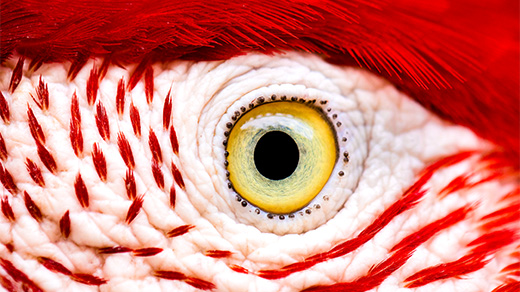
What You Need
- A dark room or dimly lit environment
- A bright light source (such as a penlight, smartphone flashlight, or an optometrist's examination light)
- A mirror (optional, for self-observation)
- Eye protection (safety glasses if using high-intensity lights)
- A partner (recommended for safe light exposure)
Step-by-Step Guide
Step 1: Prepare Your Environment
Find a quiet, dark room where you can relax your eyes. Dim all lights so your pupils dilate naturally. This increases the chance of seeing the blood vessel shadow when light is introduced. Sit comfortably and close your eyes for 30 seconds to allow them to adjust.
Step 2: Position the Light Source
Hold your light source about 6 inches from one eye. If using a partner, ask them to aim the light slightly to the side of your eye—not directly into the center. This avoids discomfort and reduces glare. For self-observation, use a mirror to guide the light into the corner of your eye.
Step 3: Apply the Light and Observe
Turn on the light and keep your eye open. Within a few seconds, you should notice a dark, branching pattern that appears to float over your vision. This is the shadow of the blood vessels on your retina. The pattern may seem to move slightly as your eye shifts. Learn why this happens below.
Step 4: Identify the Shape
The shadow looks like a tree with branches spreading from a central point—the optic nerve head. In humans, this pattern is called the “optical tree” or the “Purkinje tree.” In birds, the blood vessels form a different, more extreme arrangement to support their extraordinary vision. The branching shape you see is your own unique retinal fingerprint.
Step 5: Understand the Purpose
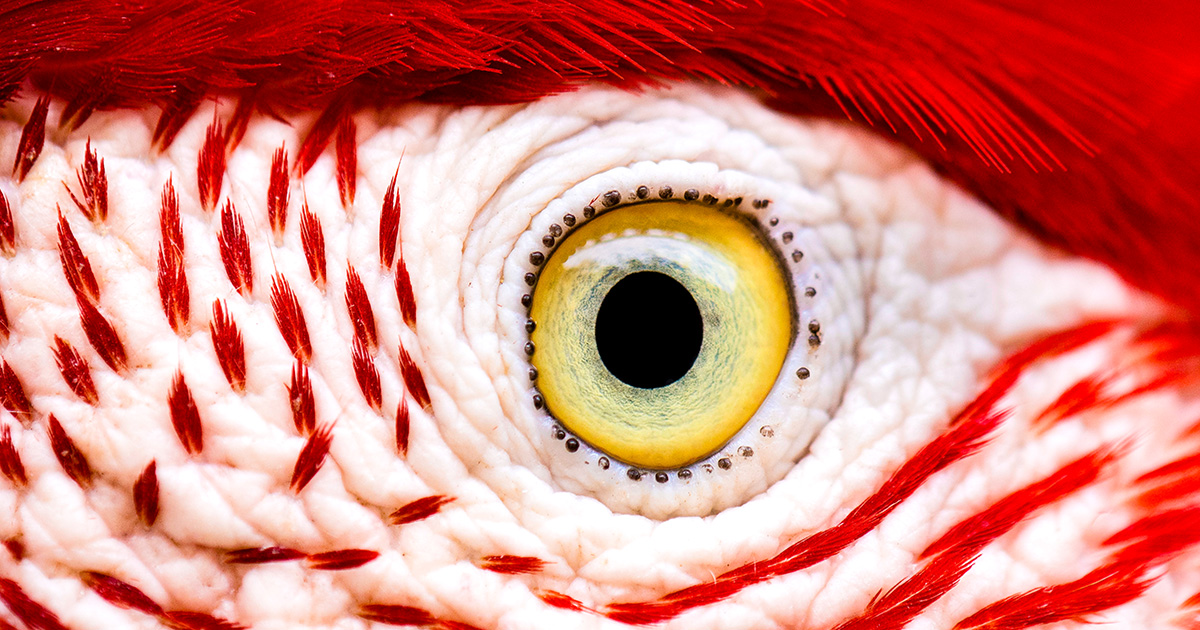
These blood vessels supply oxygen and nutrients to the retina—the thin nerve tissue at the back of your eye that detects light and sends signals to the brain. Without them, your vision would fail. However, they also block a portion of incoming light, creating the shadow you observe. Evolution has pushed bird eyes to extreme adaptations, such as a pecten—a comb-like structure that nourishes the retina while minimizing shadows. In humans, the shadow is normally invisible because our brain actively suppresses it through neural adaptation.
Step 6: Repeat Safely
You can repeat this process a few times to see different angles of the shadow. But limit exposure to bright lights to avoid eye strain. If you experience pain or afterimages, stop immediately and rest your eyes in the dark for several minutes.
Why This Happens: The Evolutionary Extreme
In humans, the retinal blood vessels are positioned in front of the photoreceptors, casting a permanent shadow. Our brains have evolved to “fill in” this blind spot, so we never notice it under normal conditions. Birds, however, have a unique structure called the pecten oculi—a highly vascularized organ that projects into the vitreous humor. This reduces vessel shadows on the retina and supplies intense metabolic demands for their sharp, color-rich vision. The bird eye is a marvel of evolutionary engineering, pushing the limits of what an eye can do.
Tips for Success
- Be gentle: Never shine a bright light directly into your eye for more than a few seconds. Use short bursts to avoid overstimulation.
- Try different angles: Move the light source slightly to change the shadow pattern and see vessels you missed.
- Use a partner for safety: Having someone else control the light reduces the risk of accidental direct exposure.
- Understand normal variation: If you don't see the shadow immediately, it may be because your eyes are not fully dark-adapted. Spend a few minutes in complete darkness first.
- Know your limits: People with certain eye conditions (e.g., retinal detachment, glaucoma) should avoid this experiment. Consult an eye doctor if you have concerns.
- Compare with bird vision: Research how birds like eagles have a pecten instead of front-facing vessels, allowing them to see without any shadow interference.