8 Critical Facts About the Weakening Atlantic Ocean Currents You Need to Know
The Atlantic Ocean's major current system, known as the Atlantic Meridional Overturning Circulation (AMOC), is changing faster than scientists ever predicted. A groundbreaking study published in Science Advances in April 2026 reveals that global climate change is driving an alarming slowdown—with potentially catastrophic ripple effects for Europe, Africa, and the Americas. Understanding these shifts isn't just for oceanographers; it affects weather patterns, sea levels, agriculture, and even global economies. Here are eight essential realities you should be aware of.
1. The AMOC Is Slowing Down Faster Than Expected
For decades, climate models warned of a gradual weakening of the AMOC—a system that functions like a massive conveyor belt, moving warm surface water northward and cold deep water southward. However, the April 2026 study indicates that this slowdown is accelerating at a pace that surpasses most earlier projections. By analyzing long-term data from ocean sensors, satellite measurements, and salinity records, researchers found that the current's strength has diminished by nearly 15% since the mid-20th century. This rapid change means the window for meaningful intervention is shrinking.
2. Global Warming Is the Primary Driving Force
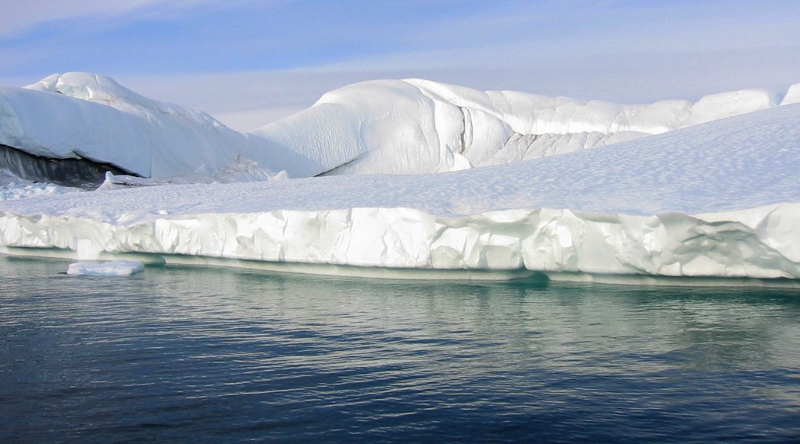
While natural variability plays a role, the overwhelming culprit behind the AMOC's decline is human-induced climate change. Rising global temperatures are melting Greenland's ice sheet at an accelerating rate, releasing vast amounts of fresh water into the North Atlantic. This influx of freshwater reduces the surface density, which in turn interferes with the sinking process that powers the AMOC. Additionally, warmer ocean temperatures further disrupt the delicate density balance. The study confirms that without significant reductions in greenhouse gas emissions, the slowdown will continue.
3. Europe Could Face Harsher Winters and Disrupted Agriculture
One of the most immediate consequences of a weakened AMOC is a dramatic cooling effect on Western Europe. The current normally transports warm tropical waters northward, keeping countries like the United Kingdom, France, and Germany milder than expected for their latitude. As the system slows, less heat reaches these regions, leading to colder winters, shorter growing seasons, and increased crop failures. Farmers may need to shift to cold-resistant varieties, and energy demands for heating would spike. The economic toll could be severe, with food prices rising and supply chains disrupted.
4. Sea Levels Along the U.S. East Coast Will Rise Faster
When the AMOC weakens, it alters the distribution of ocean water. One predicted effect is that the Gulf Stream, which normally pulls water away from the U.S. eastern seaboard, will lose some of its power. As a result, water piles up along the coast from Florida to Maine, accelerating sea-level rise in these already vulnerable areas. Major cities like New York, Boston, and Miami could face more frequent and severe flooding—even without additional storm surges. This 'hot spot' of sea-level rise may exceed global averages by several inches over the coming decades.
5. The Sahel Region of Africa Faces Megadroughts
Changes in the Atlantic current don't just affect oceans—they reshape rainfall patterns across entire continents. For the Sahel—a semi-arid belt stretching across Africa south of the Sahara—the slowdown means a likely shift toward prolonged, severe drought. The AMOC helps drive monsoon systems that bring life-giving rains to this region. As the current weakens, those rains become less reliable and potentially vanish for years at a time. The result could be widespread crop failures, food insecurity, and mass migration, exacerbating existing humanitarian crises.
6. Marine Ecosystems Will Be Disrupted from Plankton to Whales
The AMOC is a key driver of ocean nutrient cycles. As it slows, the upwelling of nutrient-rich deep waters decreases, leading to a decline in phytoplankton—the base of the marine food web. This cascades upward: less plankton means fewer fish, and consequently fewer marine mammals and seabirds. Commercially important fisheries off the coasts of Europe and North America could collapse, harming local economies. Additionally, changes in water temperature and salinity may force species like cod and herring to migrate to new areas, further destabilizing existing ecosystems.
7. The Rainforests of the Amazon Could Turn to Savanna
Surprisingly, the weakening of Atlantic currents also threatens the Amazon rainforest. The normal pattern of Atlantic ocean circulation helps to pump moisture from the ocean toward the Amazon basin. A slowdown disrupts this moisture conveyor, leading to a longer dry season and reduced rainfall across the rainforest. Combined with deforestation and rising temperatures, this could push parts of the Amazon past a tipping point, transforming lush tropical forest into dry savanna. Such a shift would release massive amounts of stored carbon, accelerating global warming even further.
8. Immediate Action Could Still Mitigate the Worst Outcomes
Despite the alarming trends, the April 2026 study offers a glimmer of hope: the AMOC collapse is not inevitable—at least not yet. If global greenhouse gas emissions are drastically reduced over the next decade, the rate of slowdown could be significantly slowed. This would require a rapid transition to renewable energy, aggressive reforestation, and sustainable land use. While some impacts are already locked in, timely action can prevent the most catastrophic scenarios—such as a complete AMOC shutdown—from unfolding. The choice remains in our hands.
The AMOC's health is a barometer for our planet's stability. As this vital current weakens, the cascading effects on weather, sea levels, ecosystems, and human societies become ever more pronounced. Staying informed—and pressuring leaders to act on climate—is not just wise; it's essential for the world we leave behind.