Uber's Transformation: From Ride-Hailing to Your All-in-One Travel Companion
Uber, the company that started as a simple ride-hailing service nearly 16 years ago, is evolving into a comprehensive platform for travel and lifestyle services. At its recent Go-Get event in New York, Uber unveiled features that go far beyond transportation, aiming to become your travel agent, concierge, and personal shopper all within one app. CEO Dara Khosrowshahi emphasized that Uber's core mission is to give users back their time. This shift mirrors moves by other tech giants like Airbnb, which expanded into experiences and boutique hotel listings. Below, we answer key questions about Uber's new direction and what it means for consumers.
1. What new services did Uber announce at the Go-Get event?
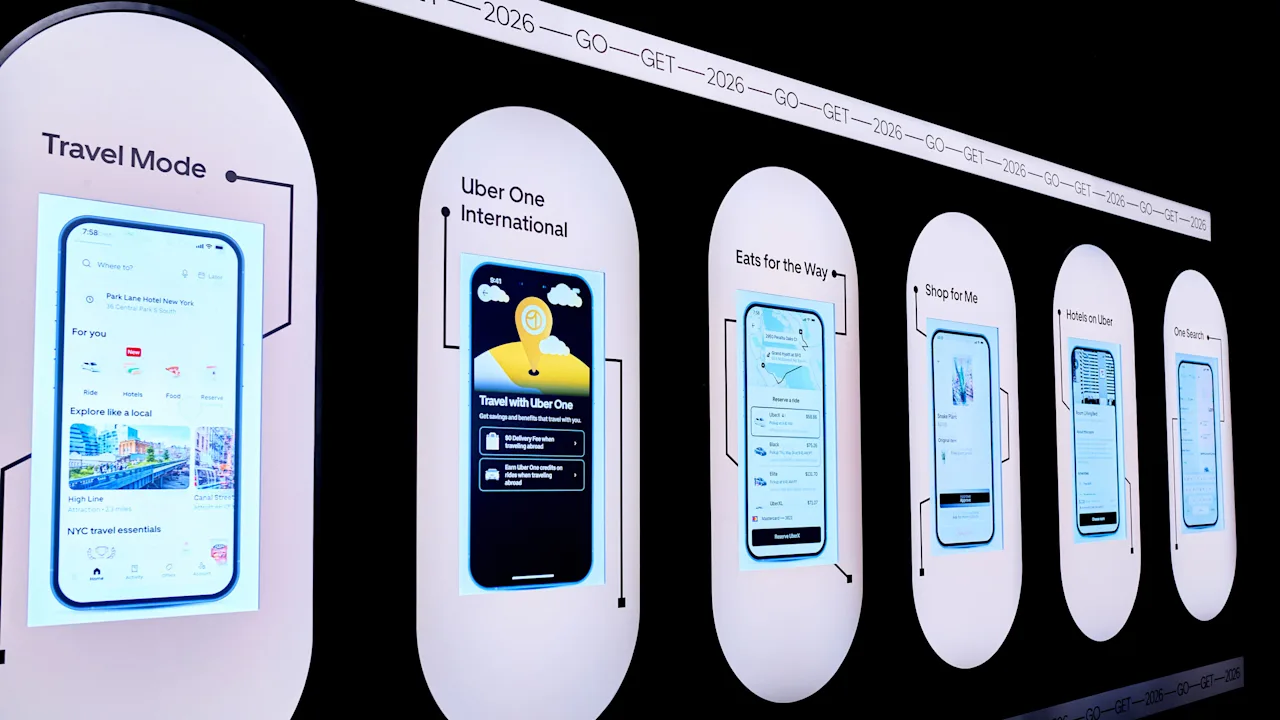
Uber introduced an in-app hotel booking feature that integrates Expedia's hotel-search technology directly into the Uber app. This allows users to search for hotels, compare prices, reviews, and amenities, and book using Uber's payment system. For Uber One members (the $9.99 monthly subscription), there are perks like at least 20% savings on a rolling list of properties and a 10% rebate in Uber One credits. Additionally, Uber hinted at concierge-like services and personal shopping capabilities, aiming to make its app indispensable throughout an entire trip—from booking a hotel to arranging transportation to ordering room service or shopping for essentials.
2. How does Uber's hotel booking feature differ from using Expedia or hotel websites directly?
Uber's hotel booking essentially embeds Expedia's functionality, but the key difference is the loyalty program. When you book through a third-party site like Expedia or Uber, you typically forfeit rewards points and elite-status credits from hotel chains (e.g., Marriott Bonvoy). Instead, Uber offers its own loyalty perks through Uber One credits. This trade-off can benefit you if you use Uber frequently and value those credits over hotel points. However, travelers should be aware that they won't earn hotel-specific benefits. Uber's default ranking of search results is also unclear; during the event, a search for a Chicago hotel showed the Trump International Hotel & Tower as the top result, which may not reflect the best value.
3. Is Uber's move into travel services a direct challenge to Airbnb?
Yes, Uber's expansion parallels Airbnb's growth from home rentals to offering experiences, boutique hotels, and other travel services. Both companies want to be the single app for an entire trip. Uber's hotel booking, combined with its existing ride-hailing, food delivery, and potential concierge services, creates an ecosystem that competes with Airbnb's all-in-one travel platform. However, Airbnb focuses on unique stays and local experiences, while Uber leverages its massive user base and payment infrastructure to offer convenience. The rivalry is evident as both aim to capture a larger share of the travel market.
4. What are the potential benefits for Uber One members?
Uber One subscribers get exclusive hotel booking discounts (at least 20% off on select properties) and a 10% rebate in Uber One credits. These credits can be used for future Uber rides, Uber Eats orders, or other services. This creates a loyalty loop, encouraging members to stay within Uber's ecosystem. However, the discounts apply only to a rolling list of properties, not all hotels. For frequent travelers who already use Uber extensively, these perks can be valuable. But for those loyal to specific hotel chains, the loss of elite status credits might outweigh the savings.
5. What trade-offs should consumers consider when using Uber for hotel bookings?
The main trade-off is loyalty rewards: booking via Uber means you won't earn points or status credits from hotel chains like Marriott, Hilton, or Hyatt. Instead, you earn Uber One credits, which may be less valuable if you don't use Uber services often. Additionally, Uber's search ranking may not prioritize the best deals or user reviews. As with any third-party booking, you may have less flexibility with cancellations or changes. Consumers should compare prices across platforms and consider their overall travel habits before committing to Uber for hotel reservations.
6. How does Uber's CEO frame this shift in the company's mission?
CEO Dara Khosrowshahi stated, "I believe that Uber truly offers one service: We give you your time back." This philosophy drives Uber's expansion into travel and lifestyle services. Instead of just transporting people from point A to point B, Uber wants to simplify the entire travel process—from planning and booking to on-the-ground experiences. By integrating multiple services into one app, Uber aims to save users from juggling different apps and websites. This vision aligns with the broader tech industry trend of "super apps" that combine various functions.
7. Are there any regulatory or legal concerns with Uber's new services?
Yes, Uber One's subscription program is currently under scrutiny. In April 2025, the Federal Trade Commission (FTC) filed a lawsuit against Uber over allegedly deceptive marketing of the Uber One membership. This lawsuit raises questions about how Uber communicates discounts and benefits to consumers. As Uber expands into travel services, it may face additional regulatory challenges, especially around data privacy, payment processing, and competition with established travel platforms. Consumers should stay informed about these issues and read the fine print when using Uber's new features.