Charred and Proud: The Artemis 2 Orion Capsule's Fiery Return from the Moon
The Iconic Image
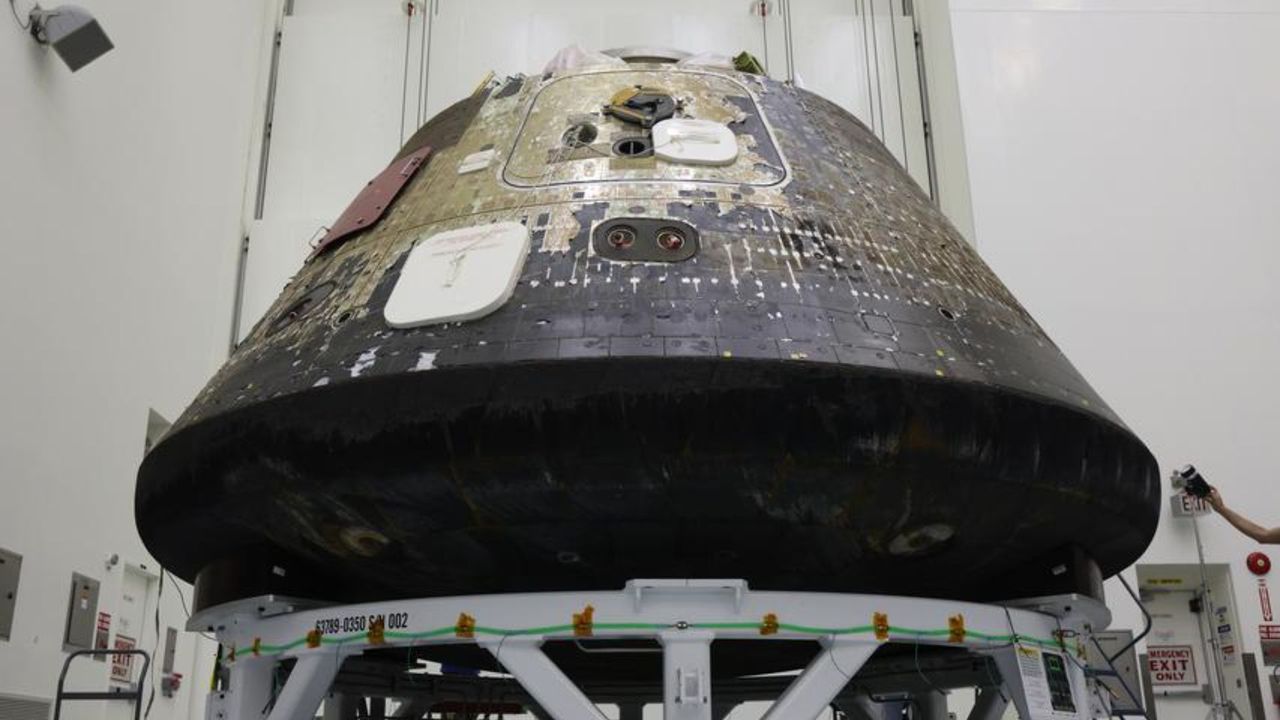
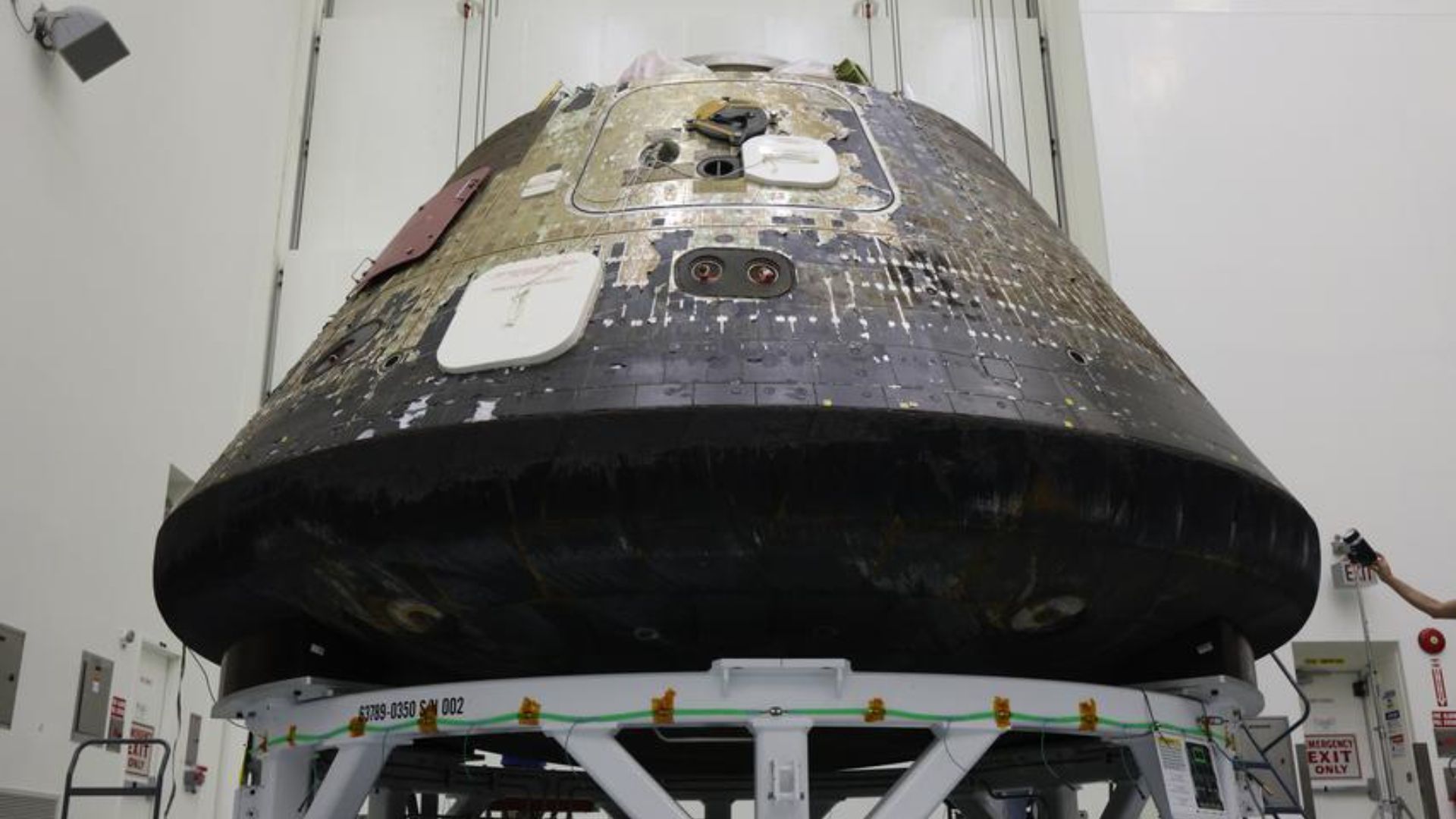
NASA has released a striking photograph of the Artemis 2 Orion spacecraft shortly after it completed its historic journey around the Moon. The image captures the capsule's heat shield and outer hull, blackened and scorched from the intense heat of reentry into Earth's atmosphere. This charred appearance is not a sign of failure but a badge of honor—proof that the spacecraft successfully protected its crew during the most extreme phase of the mission.
Artemis 2: A Mission to the Moon and Back
Artemis 2 was the first crewed test flight of NASA's Orion spacecraft, launching astronauts on a trajectory around the Moon before returning them safely to Earth. The mission served as a critical validation of life-support systems, navigation, and reentry capabilities needed for future lunar landings.
Crew and Objectives
The four-person crew—commander, pilot, and two mission specialists—spent approximately 10 days in space, including a lunar flyby that brought them within 80 miles of the Moon's surface. Unlike the uncrewed Artemis 1, this flight carried humans, making the spacecraft's thermal protection system even more crucial.
The Fiery Reentry
Returning from the Moon, Orion hit Earth's atmosphere at nearly 25,000 miles per hour—far faster than a typical low Earth orbit reentry. This speed generates temperatures exceeding 5,000 degrees Fahrenheit (2,760 degrees Celsius) around the capsule. The heat shield, made of Avcoat material (a specialized ablative composite), slowly burns away to dissipate that immense thermal energy, leaving a charred residue.
Why the Hull is Charred
The blackened, sooty exterior visible in the photo is the result of ablation. As the heat shield material chars and erodes, it carries heat away from the structure. Some areas show deeper burn patterns where the plasma flow was most intense, while other patches remain lighter. Engineers examine these patterns to fine-tune thermal models for Artemis 3 and beyond.
Engineering the Return: Orion's Heat Shield
Orion's heat shield is the largest of its kind ever built, measuring 16.5 feet in diameter. It uses a honeycomb structure filled with Avcoat, a material derived from the Apollo-era but reformulated for modern manufacturing. During reentry, sensors inside the shield monitor temperature and pressure, sending data that helps scientists verify the spacecraft's performance under real conditions.
The charred hull seen in the image is not merely cosmetic; it's a critical data point. By comparing the burn pattern with computer simulations, engineers can confirm whether the shield behaved as predicted. Small variations may lead to improvements in manufacturing or trajectory planning.
Looking Ahead: Artemis 3 and Beyond
The success of Artemis 2's reentry paves the way for Artemis 3, which aims to land astronauts near the lunar South Pole. A proven heat shield means one less unknown for those more ambitious missions. Additionally, the charred Orion capsule will undergo detailed inspection—its scorched hull will be studied for months to extract every lesson possible before the next spacecraft takes flight.
The image of the blackened Orion resting on Earth is both a testament to the dangers of space travel and a symbol of human ingenuity. Every char mark tells a story of extreme physics overcome by careful design.