OnePlus and Realme Merge: A Sign of the Brand's Changing Fortunes
In a move that has surprised few industry observers, OnePlus has reportedly been merged with its sibling brand Realme, including its operations in China. This consolidation comes amid mounting evidence that OnePlus is scaling back its global presence, a stark reversal for a brand that once defined the 'flagship killer' segment. The merger marks a significant turning point in the smartphone landscape, raising questions about the future of both brands under the umbrella of parent company BBK Electronics.
The Rise and Fall of OnePlus
Founded in 2013 by former Oppo executive Pete Lau, OnePlus quickly carved out a niche by offering high-end specifications at aggressive price points. The OnePlus One was a sensation, praised for its near-stock Android experience and flagship performance without the flagship cost. For years, the brand cultivated a loyal fanbase through its invite-only launch model and community-driven development.
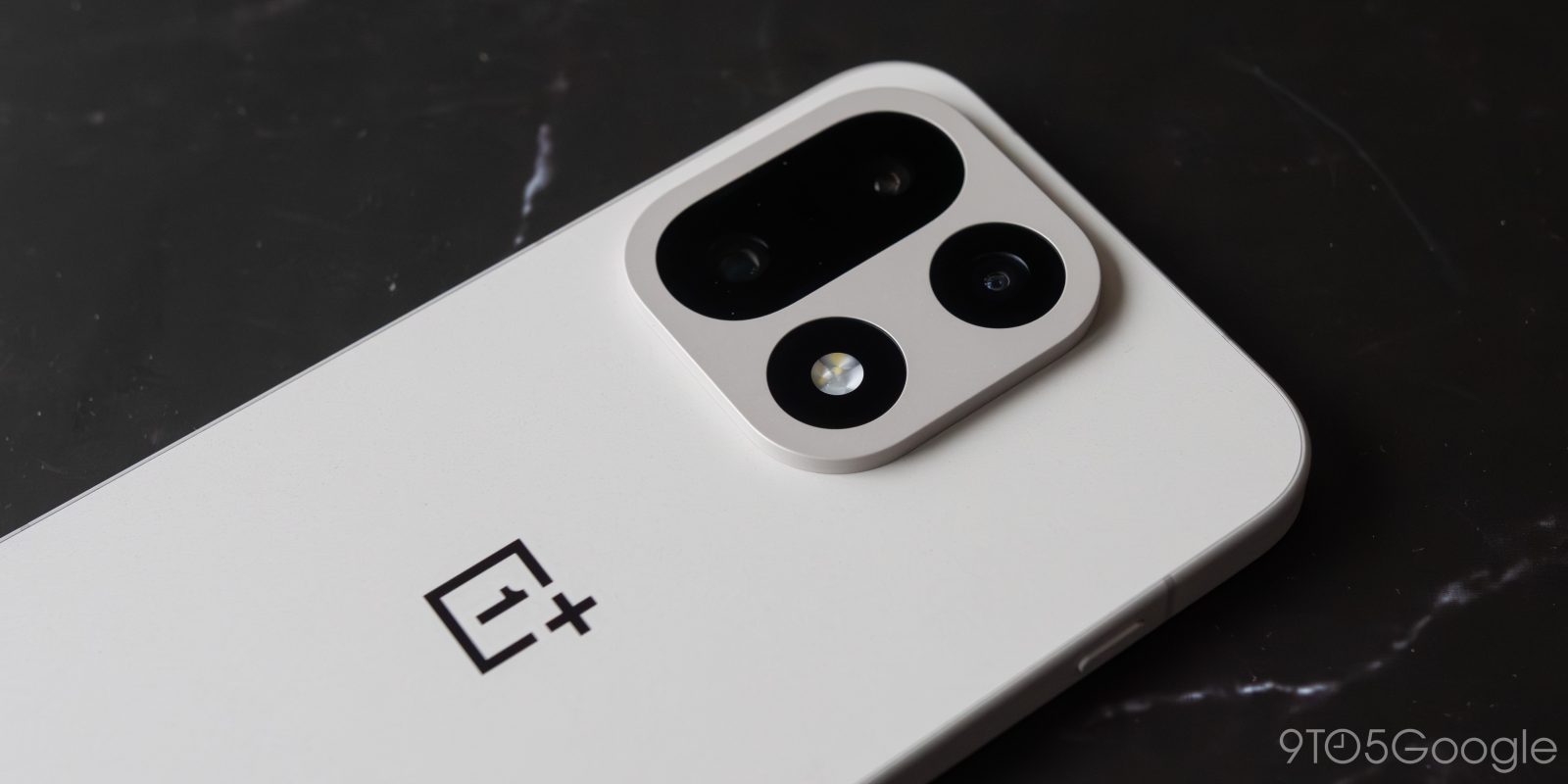
However, as the smartphone market matured, OnePlus faced increasing competition not only from established players like Samsung and Xiaomi but also from its own sibling—Realme. Originally a sub-brand of Oppo, Realme entered the scene in 2018 and rapidly captured the budget-to-midrange segment, leveraging aggressive pricing and online-focused marketing. OnePlus, meanwhile, began to drift from its roots. Starting with the OnePlus 7 series, prices crept upward, and the brand adopted features typical of mainstream flagships—wireless charging, IP ratings, and multiple camera sensors—alienating some of its core enthusiasts.
The Shift to Mainstream
The OnePlus 9 series marked a clear pivot toward the premium segment, with collaborations like Hasselblad for camera tuning. Yet the brand struggled to justify its increasing price tags against established rivals. Software updates became slower, and quality control issues—such as the infamous 'green line' display problem on the OnePlus 8 series—eroded trust. By 2022, OnePlus had effectively merged its European operations with Oppo and the brand began to lose its distinct identity.
Evidence of Operational Challenges
Reports over the past year pointed to OnePlus closing retail stores in key markets, reducing its product lineup, and laying off staff. The brand's global market share shrank, and its market presence diminished in regions like Europe and India, where it once enjoyed strong traction. Analysts noted that OnePlus had become a 'shadow brand' of Oppo, with overlapping product lines and diminishing differentiation.
A recent investigation by Android Authority uncovered that OnePlus had stopped producing certain accessories and reduced its R&D investment. In China, the brand's smartphone volumes dropped significantly. These signs strongly suggested that OnePlus was being wound down or integrated into Oppo's broader portfolio.
The Merger with Realme
The reported merger with Realme—including business operations in China—represents a true consolidation within the BBK Electronics group. Realme, which started as a budget online brand, has grown into a major player, especially in Southeast Asia and India. Its recent push into the premium segment (such as the Realme GT series) creates direct conflict with what OnePlus was trying to achieve.
What This Means for OnePlus and Realme
By merging OnePlus into Realme, the parent company likely aims to streamline operations, reduce internal competition, and optimize supply chains. OnePlus may continue as a sub-brand or product line focusing on particular markets, but its days as an independent entity are over. Realme, on the other hand, gains access to OnePlus's design language and premium aspirations, potentially allowing it to better compete with Xiaomi and Samsung.

For consumers, the merger could lead to a more cohesive product portfolio under the Realme name, but it also means the end of a once-beloved brand. Existing OnePlus users may worry about future software support and service.
The Role of BBK Electronics
BBK Electronics, the Chinese conglomerate that owns Oppo, Vivo, OnePlus, Realme, and iQOO, has a history of consolidation. It has already merged OnePlus's software codebase with Oppo's ColorOS, and many OnePlus devices now ship with ColorOS. Realme's Realme UI is also based on Oppo's code. The merger seems a natural extension of this strategy—rationalizing the brand portfolio to avoid market saturation.
Industry analysts predict that Realme could absorb OnePlus's product development team, while the OnePlus brand may be retained only in specific markets (like India) where it still holds some equity. However, long-term, the OnePlus nameplate may fade away.
Implications for Consumers
If you currenty own a OnePlus device, do not panic. The company has committed to providing three major Android updates for recent models, and that policy should survive the merger. However, future sales and customer service may shift to Realme channels. Buyers considering a new smartphone might see more Realme devices with OnePlus-like features, but without the premium pricing.
For the tech community, the fall of OnePlus is a cautionary tale. Once a darling of enthusiasts, the brand lost its focus by chasing mainstream appeal and failed to maintain its core differentiators—clean software, fast updates, and competitive pricing.
Conclusion
The merger of OnePlus with Realme signals the end of an era. It confirms that the brand is retreating from its standalone global ambitions and will now operate under the Realme umbrella. While the full details remain unconfirmed, the direction is clear: OnePlus will increasingly become a footnote in smartphone history, while Realme rises as the primary brand for BBK's aggressive go-to-market strategies.
Whether this consolidation leads to stronger products or simply more homogenization remains to be seen, but for fans of the original OnePlus spirit, it is a bittersweet moment.