Tracking the Starlink Train: A Guide to SpaceX's Earth-Orbiting Satellite Video
Overview
SpaceX's Starlink project is revolutionizing global internet coverage with a constellation of thousands of small satellites. On a routine deployment mission, one of these newly launched satellites captured a stunning video as it orbited Earth, offering a breathtaking view of our planet from low Earth orbit. This guide explains what the video shows, how it was made, and how you can understand the technology behind it. Whether you're a space enthusiast or just curious about satellite operations, this tutorial will walk you through the key elements.
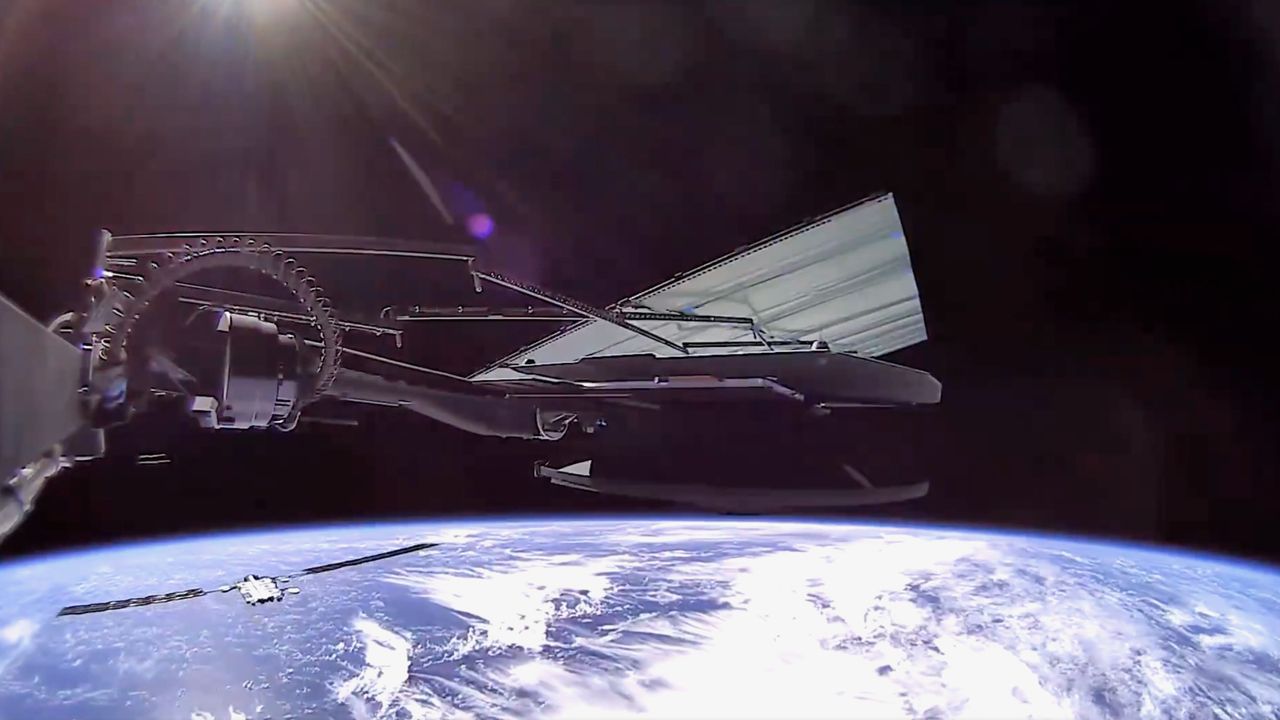
In this tutorial, you'll learn about the satellite's journey, the camera system, the orbit parameters, and how to spot Starlink trains in the night sky. We'll also cover common misconceptions and provide step-by-step instructions to replicate the viewing experience.
Prerequisites
Before diving in, make sure you have a basic understanding of the following concepts. No advanced mathematics or engineering knowledge is required—just a curious mind.
- Satellite orbits: Familiarity with low Earth orbit (LEO) and how satellites move around Earth, typically at altitudes between 160–2,000 km.
- Starlink constellation: A basic grasp that Starlink is a network of thousands of satellites providing broadband internet, launched in batches of 60 or more.
- Video capture basics: Understanding that satellites can carry cameras for monitoring or public outreach—this video was likely taken by a "selfie" camera on the satellite.
- Live tracking tools: Resources like satellite tracking websites (e.g., Heavens-Above, N2YO) are helpful for locating Starlink satellites.
Step-by-Step Guide
1. Understanding the Starlink Train Video
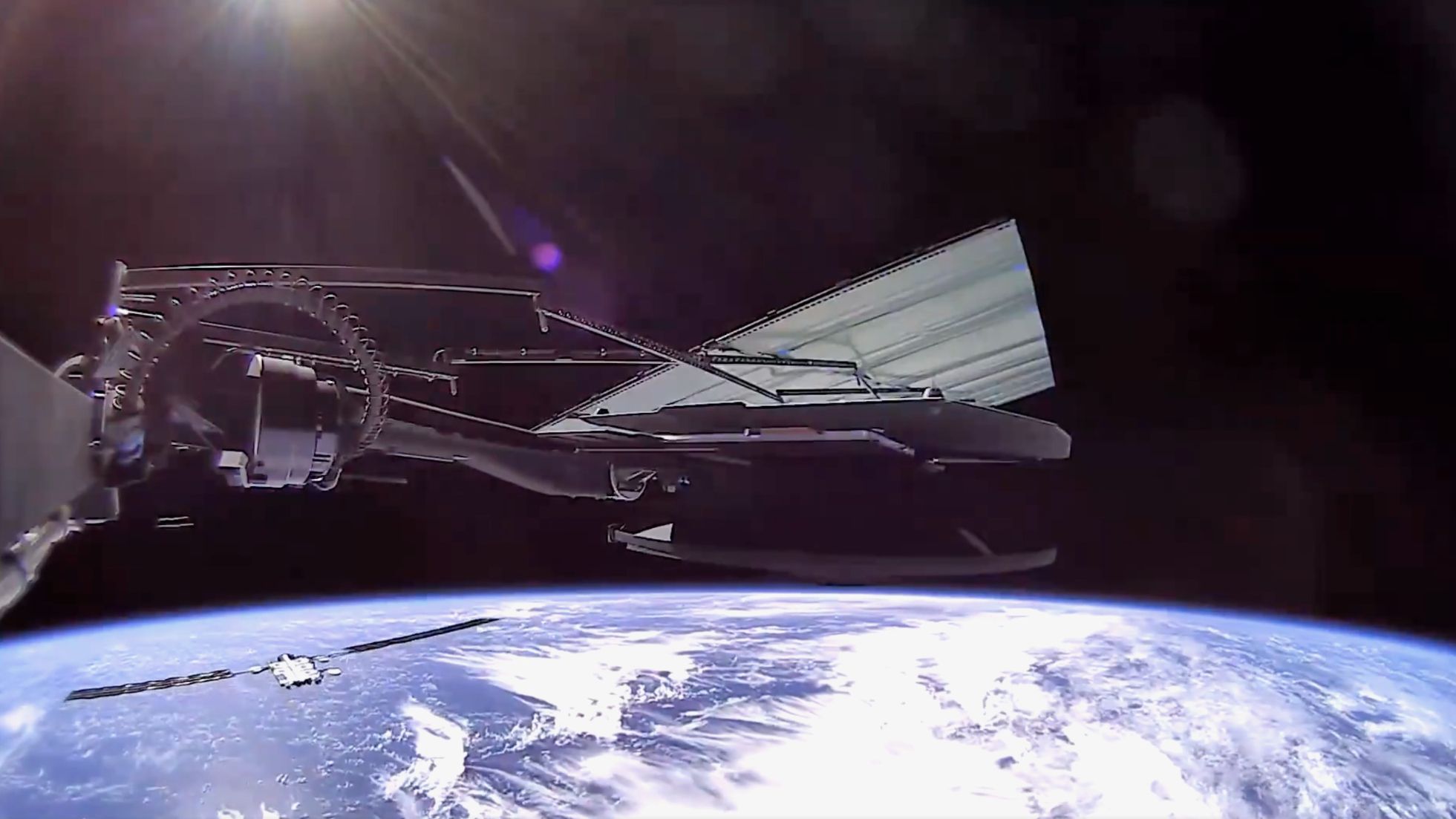
The video in question was recorded by a Starlink satellite shortly after deployment. It shows the satellite's perspective as it zooms over the Earth's surface, with the planet's curvature, clouds, and oceans visible. This type of footage is often captured by a small camera mounted on the satellite bus, similar to the one used in SpaceX's earlier Falcon 9 stage separation videos.
Key details of the video:
- Orbit altitude: Approximately 550 km (typical for Starlink satellites).
- Speed: About 7.5 km/s (over 27,000 km/h).
- Duration: A few seconds to a minute, edited from continuous recording.
- Earth features: Clear views of landmasses, atmospheric glow, and the terminator (day/night boundary).
Why is this video special? It provides a rare first-person view from a commercial satellite, demonstrating the reliability of Starlink's design and the beauty of our planet from space.
2. How the Video Was Captured
SpaceX equips some Starlink satellites with a small, wide-angle camera for monitoring purposes. The camera is often pointed downward or at the satellite's solar panels. When the satellite is oriented correctly, it can capture Earth's disc. The video was likely taken shortly after deployment while the satellite was still in its parking orbit and before it raised to its operational altitude.
To capture such a video:
- The satellite must have a clear line of sight to Earth (no obstruction from solar panels).
- The camera is triggered by an onboard timer or remote command.
- Frames are recorded and later downlinked via radio to ground stations.
- The raw data is processed into the final video you see online.
3. Viewing the Original Video
You can watch the video on SpaceX's official social media channels or space news websites. Search for "Starlink satellite video Earth orbit" on YouTube or Twitter.
Pro tip: For the best experience, watch in 4K if available, and pay attention to the changing light as the satellite moves into or out of sunlight.
4. Using Satellite Tracking Tools
To see Starlink satellites yourself, you need to know when they pass over your location. Follow these steps:
- Visit a tracking website like Heavens-Above or N2YO.
- Enter your location manually or allow geolocation.
- Search for "Starlink" or look for the latest batch—they appear as a string of bright dots moving in a line.
- Check the pass predictions: time, duration, and direction (e.g., from northwest to southeast).
- Go outside a few minutes before the predicted time, find a dark spot away from city lights, and look up.
- The satellites will look like a moving chain of lights—this is the "Starlink train."
Note: Use the same tools to track the specific satellite that recorded the video, though it may have already raised to its operational orbit and no longer be part of a visible train.
5. Understanding the Orbital Mechanics
Starlink satellites are deployed at low inclination orbits (around 53 degrees) to cover populated regions. After launch, they are released in a tight formation and then use ion thrusters to spread out and raise orbits. The video shows the satellite still in its initial orbit, offering a lower altitude view compared to later operations.
Key orbital parameters:
- Period: Roughly 90 minutes to complete one Earth orbit.
- Inclination: 53° for most batches (some later ones use different inclinations).
- Altitude: Starts at ~250 km (deployment) and raises to ~550 km.
Common Mistakes
Confusing the Train with a Single Satellite
People often mistake a single bright satellite for the Starlink train. The train consists of multiple satellites in close formation, visible as a series of dots moving together. A single satellite will appear as a steady light moving across the sky without companions.
Assuming All Starlink Satellites Have Cameras
Not every Starlink satellite carries a visible-light camera. Only a few early prototypes or test units have cameras for engineering purposes. The video you saw is from one of these special units—most satellites focus on internet relay and have no imaging payload.
Misinterpreting the Video's Perspective
The video shows Earth from roughly 250–550 km. Some viewers think they see stars, but the background is usually black unless the camera is pointed away from Earth. In the Starlink video, the Earth fills most of the frame, and the satellite's solar panels may be visible.
Believing the Train Is Always Visible
Starlink trains are only visible shortly after launch when the satellites are still in a low, compact orbit. Once they spread out and raise altitude, they become fainter and harder to see without binoculars. Check tracking websites for up-to-date visibility windows.
Summary
This tutorial explained the remarkable video captured by a SpaceX Starlink satellite, detailing how it was made, the technology behind it, and how you can experience similar views or observe Starlink trains from the ground. By understanding the orbital mechanics, using tracking tools, and avoiding common misconceptions, you can fully appreciate the engineering and beauty of our planet as seen from low Earth orbit. The video is a testament to SpaceX's innovative approach and a window into the future of global connectivity.