Amazon Opens Its Global Logistics Network to External Shippers, Challenging FedEx and UPS
Amazon Supply Chain Services Launches for All Businesses
Amazon has quietly launched Amazon Supply Chain Services (ASCS), a new division that grants any company access to its vast warehousing and delivery network. The service directly competes with industry titans FedEx and UPS by offering third-party firms the same logistics capabilities that power Amazon’s own retail operations.
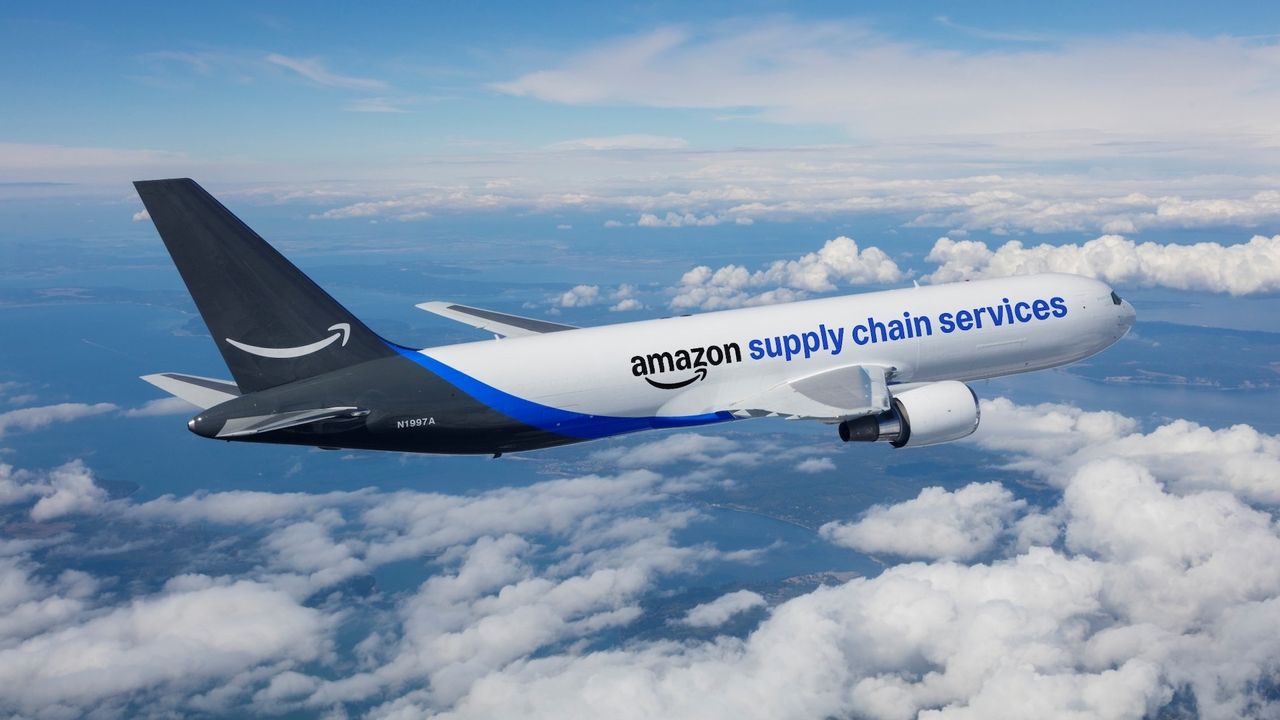
“ASCS essentially democratizes Amazon’s entire fulfillment engine,” said logistics analyst Sarah Chen of Retail Metrics Group. “This is a direct challenge to the dominance of FedEx and UPS in the parcel delivery market.”
“Our goal is to make our supply chain infrastructure available to every business, regardless of size,” an Amazon spokesperson confirmed. “We believe this levels the playing field for companies that previously couldn't afford such sophisticated logistics.”
Background: From Internal Tool to Public Service
For years, Amazon has invested billions in building a massive fulfillment network to support its e-commerce platform. That network now includes hundreds of warehouses, thousands of delivery vans, and a fleet of cargo aircraft.
Originally designed solely for Amazon’s own orders, the company began experimenting with limited third-party access through Fulfillment by Amazon (FBA). ASCS marks a significant expansion, opening the entire system to companies that are not necessarily Amazon sellers.
“This is Amazon unbundling its logistics muscle,” explained logistics consultant Mark Rivera. “It’s similar to how AWS started as an internal tool and later became a $100 billion business. ASCS could follow a similar trajectory.”
What ASCS Offers
ASCS includes services such as inbound cross-docking, storage, sortation, and last-mile delivery. Companies can ship products to Amazon warehouses and have them delivered directly to end customers under the client’s own brand.
The service provides real-time tracking, inventory management, and integrated returns processing. Pricing is said to be competitive with—and often below—rates offered by traditional carriers for similar volumes.
Industry Reactions
“This move from Amazon is a wake-up call for FedEx and UPS,” said Maria Santos, supply chain professor at Northwestern University. “It combines Amazon’s efficiency with a pay-per-use model that small businesses could never access before.”
A FedEx spokesperson declined to comment on the launch. UPS issued a statement noting that they “welcome competition” and remain focused on customer service and innovation.
What This Means for the Shipping Industry
The entry of ASCS intensifies a price war that could lower shipping costs for businesses and consumers. It also puts pressure on traditional carriers to invest more heavily in automation and AI-driven logistics.
“Within two years, ASCS could capture a significant share of the small-to-medium business shipping market,” predicted Chen. “That’s the segment where FedEx and UPS have been most profitable.”
Small businesses may benefit from faster delivery times and lower costs, but concerns about depending on a direct competitor linger. Amazon will have access to a treasure trove of shipping data from rival firms—raising questions about privacy and market fairness.
“We are building firewalls to ensure client data is never used for our own retail decisions,” the Amazon spokesperson assured. “Data separation is a core design principle of ASCS.”
The Road Ahead
ASCS is currently available in the United States, with plans to expand to European and Asian markets next year. Analysts expect rapid adoption, especially among e-commerce sellers who want to offer Amazon-level delivery speeds.
“Amazon is not just playing catch-up with FedEx and UPS anymore—it’s defining the future of logistics,” Rivera said. “The next few quarters will be pivotal in determining whether this proves to be a disruptive force or just another alternative.”
This is a developing story. Check back for updates.