10 Warning Signs of Imposter Investment Scams You Must Know
Imposter investment scams are becoming increasingly sophisticated, with fraudsters constantly devising new ways to steal your money. These schemes often involve criminals pretending to be legitimate financial professionals or firms, using a tactic called source credibility to build trust. They may create fake websites, social media profiles, or investment clubs that seem authentic. The Federal Trade Commission reports that these scams cost victims billions annually. To protect yourself, it's crucial to recognize the red flags. Below are ten common warning signs of imposter investment scams, complete with descriptions and tips to stay safe.
1. The Rise of Fake Investment Clubs on Social Media
Scammers frequently advertise “stock investment groups” or “investment clubs” on platforms like Facebook, Twitter, and LinkedIn. These groups promise high returns with minimal effort, often claiming to be run by experienced professionals. In reality, they are fronts for fraud operations. Once you show interest, they direct you to encrypted messaging apps such as WhatsApp or Telegram, where they can operate without detection. Tip: Always verify the group's legitimacy by checking if the organizer is registered with the SEC or your local financial authority. Be skeptical of any group that pressures you to move conversations off public platforms.
2. Impersonation of Real Financial Professionals
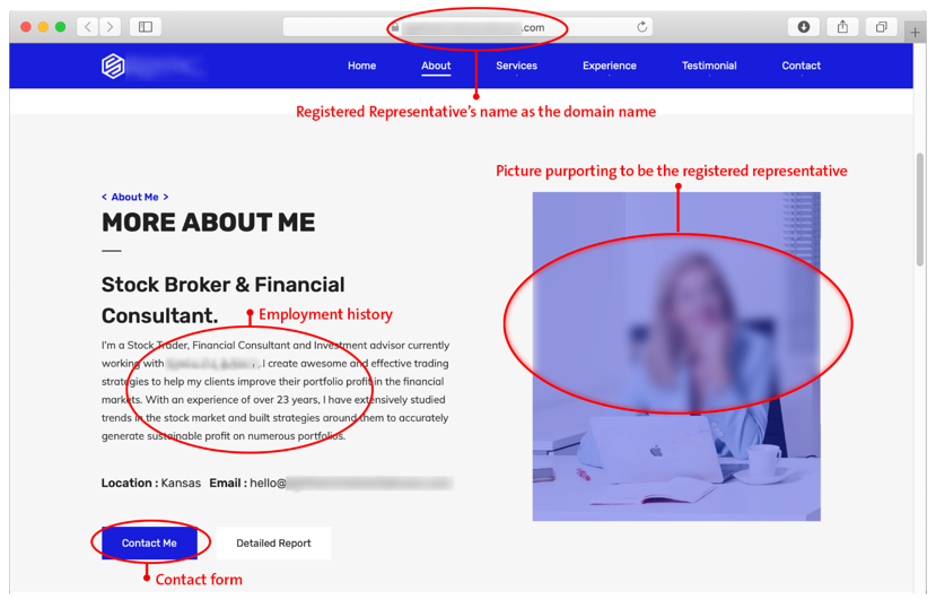
One of the most common tactics is using the name of a genuine registered investment advisor or broker. Scammers may create fake profiles with the same photo, credentials, and background as the real person. They might even replicate official websites or use stolen logos from well-known firms. This deception relies on the trust associated with established names. Warning sign: If you receive unsolicited contact from someone claiming to be a financial expert, independently verify their identity by calling the firm they claim to represent using a number from a trusted source, not the one provided in the message.
3. High-Pressure Tactics and Urgency
Imposter scammers often create a false sense of urgency to prevent you from thinking critically. They may claim a limited-time offer, a special deal for early investors, or a market opportunity that will vanish soon. Phrases like “Act now or lose out” are red flags. Legitimate investment opportunities rarely require immediate decisions. Protection tip: Always take time to research. No legitimate advisor will pressure you into investing without allowing you to review documents and ask questions. If you feel rushed, walk away.
4. Fake Registration and Licensing Claims
Scammers often boast that they are “properly registered” with regulatory bodies like the SEC, FINRA, or your country’s equivalent. They may even provide fake license numbers or certificates. However, a quick check on official databases reveals the truth. In many cases, the registration information is either nonexistent or belongs to someone else. How to verify: Use the regulator’s online lookup tool (e.g., BrokerCheck for FINRA) to confirm the individual’s or firm’s registration status and disciplinary history. Never rely solely on documents they provide.
5. Use of Encrypted Messaging Apps for Communication
While encrypted apps like Telegram, Signal, or WhatsApp have legitimate uses, scammers prefer them because they leave little trace. After luring you on social media, they move conversations to these platforms to avoid detection by authorities. They may also create secret groups where victims share “success stories” that are actually fake. Safety measure: Be extremely cautious if an investment opportunity insists on communicating only through encrypted apps. Legitimate professionals will use official email, phone, or secure portals—not secret chats.
6. Promises of Guaranteed Returns with No Risk
Every investment carries some risk. If a so-called professional guarantees high returns with no risk, it’s a classic warning sign. Scammers often tout “sure things” like insider tips, exclusive access, or proprietary algorithms that supposedly beat the market. They may show fake account statements or testimonials to back their claims. Remember: If it sounds too good to be true, it probably is. Legitimate investments have ups and downs; no honest advisor can guarantee consistent profits.
7. Phishing for Personal and Financial Information
Imposter scams often start with a seemingly innocent request for personal data—your address, social security number, bank details, or copies of IDs. They may claim it’s for “verification” or to set up an account. In reality, they are gathering information to commit identity theft or access your accounts directly. Defense: Never provide sensitive information unless you initiated contact and have verified the recipient’s legitimacy. Use secure methods for sharing documents, and always encrypt where possible.
8. Affinity Fraud: Exploiting Trust within Communities
Scammers often target specific ethnic, religious, or social groups, using a trusted leader or member to gain credibility. They may claim to be from the same background or share common interests to lower your defenses. This is known as affinity fraud. The scam feels less suspicious because it comes from within your community. Protection: Even if the person seems trustworthy, independently verify their credentials and the investment’s registration. Talk to a neutral financial advisor outside the group before committing money.
9. Fake Testimonials and Social Proof
Fraudsters create fake reviews, social media posts, and even videos of “successful investors” who have allegedly made fortunes. They may use fake names and photos. These testimonials are designed to create social proof and lure others. Evaluation tip: Look for inconsistencies: generic praise, poor grammar, or identical language across multiple posts. Cross-check with independent review sites. Legitimate companies have a mix of feedback, not just glowing praise.
10. Recovery Scams That Follow the Initial Fraud
If you have already fallen for an imposter scam, beware of recovery scammers. These criminals contact you claiming they can get your money back for a fee. They may pose as lawyers, government agents, or private investigators. They use the same emotional tactics—urgency, fake credentials, and pressure. Final warning: Never pay upfront fees to recover lost investments. Report the original scam to authorities and ignore any follow-up offers. Real recovery processes through regulators are free and formal.
Imposter investment scams are constantly evolving, but awareness is your best defense. By recognizing these ten warning signs, you can avoid becoming a victim. Always verify credentials, resist pressure, and trust your instincts. If something feels off, stop and investigate. Share this knowledge with friends and family to help protect everyone from these predatory schemes. Remember: if an investment looks too good to be true, it almost certainly is.